
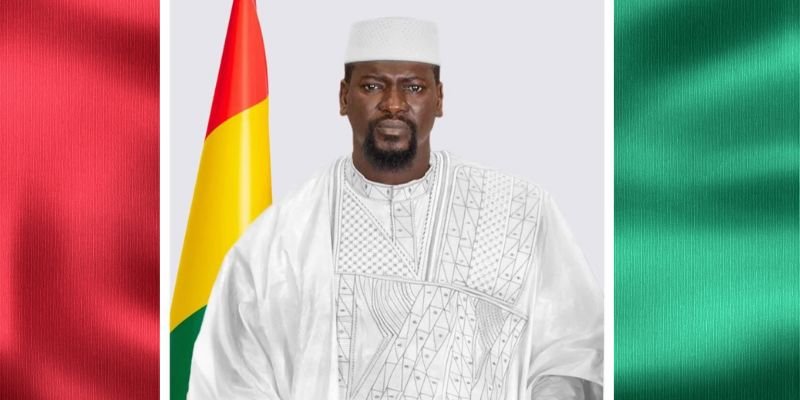
President Mamady Doumbouya maintains his minister of mines position through a governmental reshuffle which follows his recent election win and swearing-in for a seven-year term. Doumbouya first came to power in a 2021 military coup and was sworn in as president last month after winning the country’s presidential election, marking what is described as a transition toward civilian rule.
In the reshuffle, the key appointments include:
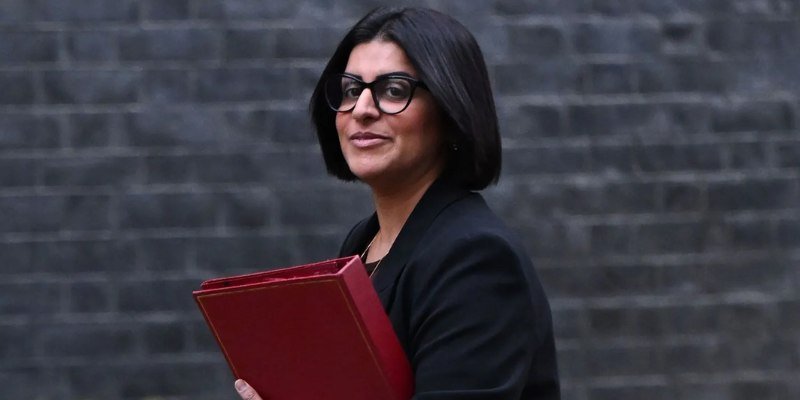
- Bouna Sylla remains minister of mines, a strategic choice given Guinea’s position as a major source of globally important minerals.
- Mariama Cire Sylla, who has held posts with the World Bank, is now minister of economy, finance, and budget.
- Ibrahima Sory Tounkara, known for his role in high-profile legal proceedings, is the new justice minister.
- General Ahmed Mohamed Diallo takes charge of security and civil protection.
Doumbouya maintained executive control over Guinea by appointing Amadou Oury Bah as prime minister while retaining the mines minister position. The government of Guinea demonstrates its mining sector stability through its ongoing transition to civilian governance because of its previous military rule. Guinea holds some of the world’s richest mineral resources, including bauxite, used to produce aluminum, and some of the largest untapped iron ore deposits such as the Simandou project.
The appointment of Sylla to lead the mines operation shows that Doumbouya wants to oversee the sector operation which enables Guinea to draw investments while it increases its production capacity.
Mining activities deliver substantial contributions to both national export revenue and foreign currency earnings.
Analysts are measuring how Guinea’s political changes affect investor confidence. The civilian government in Guinea has established an official transition process yet the country maintains a complex political system which developed through recent coup events and civil unrest.
Here is what stands out about this move:
The mines minister’s position shows that mining revenue and extended contracts constitute vital elements for Guinea’s economic development. Resource-rich countries often prioritize this aspect because it helps them maintain trust with their partners and markets.
- The organization requires both experienced staff and new management who will bring innovative solutions to its challenges. The appointment of new finance and justice leaders by Doumbouya creates a situation where he can maintain existing government support while acquiring new backing from those outside his administration.
- The transition process remains incomplete. Critics and observers note that military control still dominates Guinea’s governance system even after the formal election results initiated a shift from direct military rule.
This development matters not just for Guinea but for global supply chains in aluminum and steelmaking. Investors, trade partners, and regional blocs will be watching how this new government manages revenue, the rule of law, and social stability in a country with vast natural-resource potential.