
Africa is reshaping its transport systems, urban development, and the way innovations help both the environment and the economy. In every part of the continent, businesspeople and governments are promoting eco-friendly transportation and clean tech projects that not only cut the carbon footprint but also provide energy access and stimulate the emergence of new markets. The piece outlines the changes, their significance, and the people involved in the transition.
Why Sustainable Mobility Matters in Africa
The use of energy for transport has been expanding rapidly in Africa. A nearly 50 percent increase in the demand for transport fuel was recorded between 2010 and 2020, and the projections point to this trend continuing with energy consumption in transport increasing by another two-thirds by 2040. Most of this load is on informal transport systems like motorcycle taxis, minibuses, and tuk-tuks that are the main means of passenger transport in cities and towns.
Several African countries, however, import the major part of their fossil fuels, thus exposing themselves to foreign exchange volatility. While the continent has an extensive renewable energy potential from solar, wind, hydropower, and geothermal sources. Kenya is a good example since it generates almost 85% of its electricity from renewable sources, thus demonstrating how another basic green technology transition can take root with ease.
E-Mobility: The Transportation Revolution Underway
Electric mobility is gaining real traction in Africa. Across East Africa alone, more than 50 startups are actively building e-mobility products and services, from electric motorcycles to battery charging networks and leasing models that make electric vehicles more affordable.
Home-grown Ventures Leading the Charge
Some of the emerging leaders include:
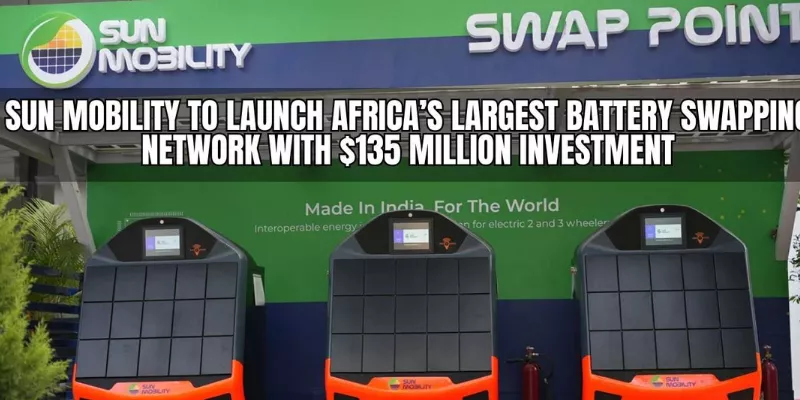
- Spiro, a Nairobi-based electric vehicle company focusing on electric motorcycles and battery swapping infrastructure. Spiro operates in countries including Kenya, Rwanda, Togo, Uganda, and Nigeria, and has completed tens of millions of battery swaps, significantly cutting emissions from conventional motorcycles.
- Roam Electricbuilds electric motorcycles and buses designed for African roads and conditions.
- BasiGoin Kenya is developing electric buses and fleet electrification solutions, supported by international investment.
- Ampersandin Rwanda focuses on electric motorcycle infrastructure and battery-swapping technology.
- Solar Taxi Limitedin Ghana assembles and provides electric tricycles, bikes, and fleet services tailored to local transport needs.
Market Growth and Investment
The electric mobility sector in Africa was almost a $2.8 billion market in 2023 and is expected to be close to $7 billion by 2028, indicating that both customer demand and investor confidence have been increasing significantly. African startups have secured a total of $2.21 billion funding in 2024, out of which the major share of the investment was given to the mobility companies.
Besides that, there are a lot of big-money-raising announcements in this sector. For example, Spiro has been the single largest recipient of a significant amount of funding and is thus aiming to manufacture a few thousand electric bikes and also increase battery capacity in a number of different countries.
Policy and Government Action to Accelerate Green Transport
Adjustments in the country’s policy are making green transport more attractive to both the business sector and consumers.
After Kenya is setting targets for electric vehicle usage, Rwanda and Tanzania are coming up with rules that will make it easier to use electric vehicles, carry out the development of charging infrastructure, and reduce emissions.
In the case of South Africa, the government, as a means to induce the automotive industry to clean up by 2035, is offering a variety of incentives such as financing and the introduction of supportive policies for the local production of electric vehicles.
Through such policy changes, the governments are able to accomplish two things at the same time: it becomes easier to expand markets and it becomes possible to embed sustainability goals into national planning.
Supporting Technologies and Ecosystem Growth
Sustainable mobility does not stand alone. It depends on a broader green tech ecosystem that includes:
Clean Energy Generation and Storage
The expansion of Africa in renewable energy capacity is the main factor that makes electric mobility possible. The use of clean energy and hybrid solutions lead to a more stable grid and less pollutants are emitted due to the electrification of the transport sector.
Green Tech Startups Beyond Mobility
Investments in environmentally friendly technologies in different sectors are on the rise all over the African continent. There are hundreds of companies that develop climate solutions in the fields of clean energy, sustainable materials, and nature-based solutions. These companies are the main agents of decarbonization and also the main suppliers of the necessary technologies for the uninterrupted operation of the mobility sector, e.g., batteries and energy management systems.
Real Impact: Reducing Emissions and Expanding Access
The move to electric mobility and green technologies is resulting in tangible environmental and social advantages. Electric twowheelers and buses lead to a reduction in the emission of greenhouse gases, a decrease in the use of fuels that are imported and an overall improvement in the air quality of urban centers that are heavily congested. To the users and operators of transport services, electric vehicles, in the best scenario, can bring about a decrease in the operating expenses and an increase of the daily earnings, hence an economic advantage which is of equal importance to the climate one.
Moreover, local innovation ensures that these techs are m
Challenges Ahead
Such problems do exist on the way to the scaling of Africa’s charging infrastructure which is still very scant, the front-end costs of vehicles are too high for many buyers, and the policy frameworks are not fully consistent yet across the countries. These issues are hampering adoption and the inflow of investments.
It is necessary for these three categories of people: governments, investors, and innovators, to be in agreement about policies, financing mechanisms, and technology strategies if they are to get to the next level of growth. But the truth is that the wheel is already turning.
Conclusion
Africa’s move to sustainable mobility and green technology ventures is real and not just a concept. It is a result of local startups, global investment, and policy changes. Electric mobility is spreading in cities like Nairobi and Accra, renewable energy is becoming the main source of power, and investors are getting attracted.
The headline of this environmental story would be the economic opportunity alongside the ecological benefit. Sustainable mobility in Africa can lower carbon emissions, reduce fuel costs for households and vehicle fleets, and create new markets for innovations. The continent with a young population, plenty of renewable resources, and the spirit of entrepreneurship is a place where sustainable mobility is not only possible but also realizable.
The next chapter will be defined by scaling these ideas into widespread practice and integrating policies and infrastructure that match the pace of innovation already underway.