
Nigeria has formed a basic partnership with South Korea to construct Africa’s first electric vehicle manufacturing facility which will serve as the initial production site on the continent. The agreement, which the two nations signed on January 30 2026, enables Nigeria to become the leading country in Africa’s developing electric vehicle market while demonstrating its commitment to domestic manufacturing and environmentally friendly transportation solutions.
The Memorandum of Understanding (MoU) was signed in Abuja by Senator John Enoh, Nigeria’s Minister of State for Industry, Trade and Investment, and Mr. Yoon Suk-hun, Chairman of the Asia Economic Development Committee (AEDC) of South Korea. The plan establishes an initial phase of electric vehicle production which will start with assembly operations and progress to complete manufacturing and distribution activities.
The initiative aligns with Nigeria’s broader industrial and energy goals. The program helps the country achieve its National Energy Transition Plan objectives while supporting its National Automotive Industry Development Plan goals which seek to boost economic growth through reduced vehicle and fossil fuel imports and increased domestic research and development.
The EV project will proceed through multiple stages according to the agreement. The initial stage of the project involves the production of electric vehicles through the assembly of imported vehicle components. The process enables manufacturers to develop capacities while testing their products in actual market situations. The upcoming stages of the project will establish complete domestic manufacturing operations which will include increased local production of essential components such as batteries and chassis and other vital parts.
The facility will operate at its full capacity to produce 300000 electric vehicles each year while generating approximately 10000 direct employment opportunities and additional indirect jobs in sectors such as logistics and energy infrastructure and other related services. The project operates as a self-sufficient unit that maintains its activities within its defined service area.
The Nigerian automotive ecosystem currently exists through its active production facilities which include Innoson Vehicle Manufacturing and various new electric vehicle manufacturers. The new agreement will develop these ecosystems by creating better investment opportunities and establishing direct connections to global supply chains which support automotive technology and clean energy development.
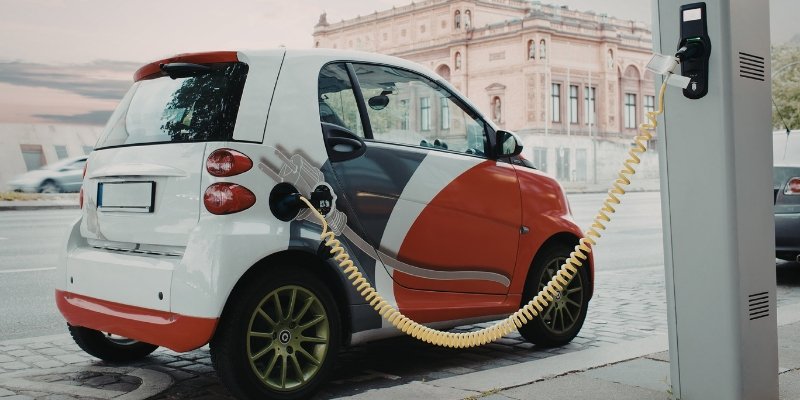
The planned factory requires the establishment of nationwide electric vehicle charging stations because they serve as an essential component for enabling consumers to adopt electric vehicles and maintaining sustainable practices in the future. The charging networks need development because they provide essential infrastructure which establishes trust for drivers who intend to transition from gasoline-powered vehicles to electric vehicles. The decision will bring economic and environmental consequences which affect Nigeria. The country has historically imported hundreds of thousands of vehicles annually.
Rising international trade costs lead to decreased domestic manufacturing development because businesses must allocate their resources for overseas production capacity. Establishing its own electric vehicle industry will enable Nigeria to achieve sustainable development because it reduces foreign product dependency while building domestic research capacity and creating international market opportunities for eco-friendly technologies.
The discussion includes environmental advantages as part of its content. Electric vehicles produce no tailpipe emissions which results in better urban air quality and lower greenhouse gas emissions, this aspect has gained importance for decision makers in a world that experiences climate change.
The African continent and international community observe the South Korea-Nigeria partnership as a case study. The project success will establish a blueprint for African nations to develop industrial capabilities through modern technologies and sustainable energy solutions. The project can attract more international businesses which want to establish operations in Africa’s biggest automotive market.
The current initiative will become a historic milestone because it shows how Nigeria changed from being an international vehicle buyer to establishing itself as Africa’s center for electric vehicle production and research and development.