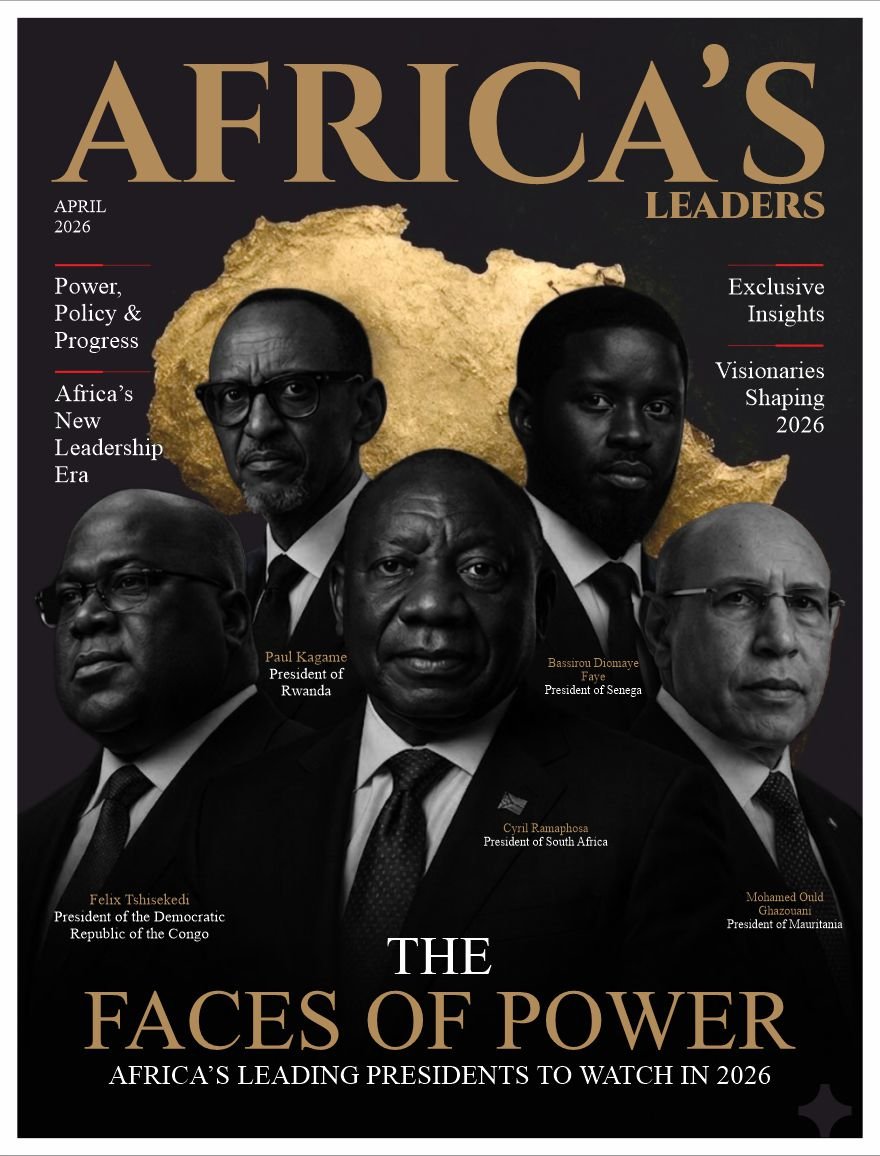

Africa’s leaders are done picking sides, and the world is slowly catching on.
Across the continent, from Addis Ababa to Abuja, a quiet but deliberate repositioning is underway. African heads of state are meeting with Washington one week and Beijing the next. They’re signing infrastructure deals with Gulf states while maintaining security partnerships with European capitals. And increasingly, they’re doing it all without apology.
This is the defining geopolitical shift of 2026: Africa is not a battleground for great powers anymore. It’s a negotiating table, and African leaders are learning how to sit at the head of it.
What is Driving Africa’s New Diplomatic Posture in 2026?
The numbers give it away. Africa now accounts for over 1.4 billion people, roughly 17% of the world’s population, and is projected to reach 2.5 billion by 2050, according to UN estimates. The continent holds about 30% of the world’s critical mineral reserves, including cobalt, lithium, and manganese, all essential for the global clean energy transition.
That leverage was always there. What changed is the willingness to use it.
After decades of Cold War-era dependency and post-colonial aid structures, a new generation of African leaders is drawing harder lines. They watched how the Ukraine conflict fractured Western consensus and how sanctions on Russia pushed food and fuel prices up across sub-Saharan Africa in 2022 and 2023. Those weren’t abstract policy debates, they were real disruptions to real supply chains. That experience accelerated a shift that was already building.
How are African Countries Balancing Relations With the US, China, and Russia?
Carefully. And strategically.
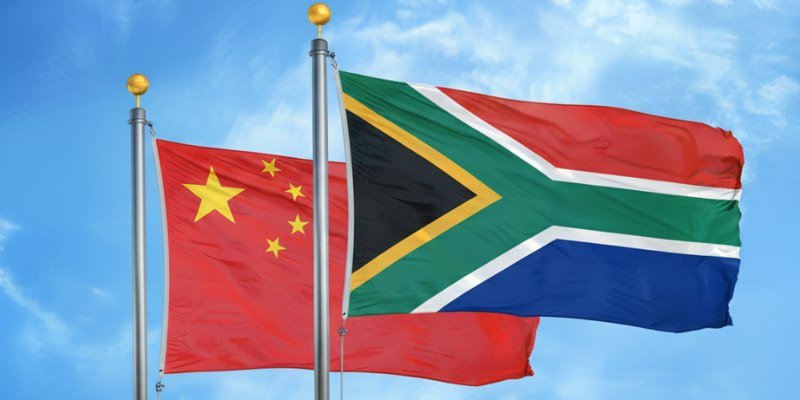
Take South Africa. Pretoria has consistently refused to condemn Russia’s invasion of Ukraine in UN votes, frustrating Washington. At the same time, it deepened trade ties with China through BRICS and hosted joint naval exercises with Russia and China in early 2023. Yet South Africa also remains one of the largest recipients of US investment on the continent through AGOA, the African Growth and Opportunity Act.
This isn’t confusing. It’s hedging, done deliberately.
Ethiopia offers another example. After years of dependence on Western aid, Prime Minister Abiy Ahmed’s government turned sharply toward China and the Gulf states following Western criticism over the Tigray conflict. By 2024, Ethiopia had joined BRICS as a new member, a signal of where Addis Ababa sees its long-term economic alignment going.
Meanwhile, the Sahel tells a different story. Mali, Burkina Faso, and Niger, all of which experienced military coups between 2020 and 2023, expelled French forces and, in some cases, US military personnel, replacing them with Russia’s Wagner Group (now rebranded as the Africa Corps after Wagner’s 2023 restructuring). The French military presence in West Africa, which once spanned over 5,000 troops across Operation Barkhane, has largely collapsed.
Russia moved into the vacuum quickly. But so did Turkey, which now has military cooperation agreements with over 26 African countries, and the UAE, which has grown its infrastructure and port investments across East Africa significantly.
Why Are African Nations Joining BRICS and What Does It Mean?
In 2024, the BRICS bloc formally expanded to include Egypt, Ethiopia, and the UAE, among others. Several African Union member states have since applied for full or partner membership. The appeal isn’t ideological, it’s practical.
BRICS membership offers access to the New Development Bank, an alternative to IMF and World Bank financing, which often comes attached to governance conditions that African governments find politically difficult to absorb domestically. Between 2000 and 2023, China loaned African governments over $170 billion, according to data from AidData, with far fewer strings attached, at least upfront.
The debt trap narrative, popular in Western media, is increasingly contested by African economists who argue that the real issue isn’t Chinese lending, it’s the lack of competitive alternatives. That’s exactly what BRICS expansion is meant to address.
What Role is the African Union Playing in Reforming Global Alliances?
More than it used to, though its internal divisions still limit its reach.
The AU’s push for a permanent seat on the UN Security Council, a demand backed by the “Ezulwini Consensus” position held since 2005, gained renewed momentum in 2025. Both the US and France expressed support for African representation in Security Council reform discussions, though no structural changes have materialized yet.
Inside the continent, the AU-led Continental Free Trade Area (AfCFTA) continues its slow but meaningful rollout. If it reaches full implementation, AfCFTA would become the world’s largest free trade zone by number of countries, covering 55 nations and a combined GDP of over $3.4 trillion. Intra-African trade, currently sitting around just 15% of total African trade, is the real prize, and reducing that dependence on external markets is itself a geopolitical act.
Is Africa Moving Away From Western Influence for Good?
Not entirely, and probably not permanently.
Western capitals still hold significant leverage: development finance, security intelligence-sharing, university partnerships, and diaspora remittance corridors that run through European and North American banking systems. The US African Command (AFRICOM) still maintains bases and partnerships across the continent, even if several have been scaled back.
What’s shifting is the assumption of automatic alignment. African leaders are no longer willing to issue statements on global crises in exchange for aid packages. They want investment, market access, and to be treated as sovereign actors rather than beneficiaries.
Nigeria’s foreign minister summed it up neatly at the 2025 AU summit: African nations would work with anyone who respects their interests, but wouldn’t subordinate those interests to anyone’s foreign policy agenda.
Conclusion
The geopolitical shifts reshaping Africa in 2026 aren’t a rejection of the West or a surrender to China. They’re the product of a continent that has been marginalised for too long and is now, slowly, pragmatically, cashing in on its demographic and resource weight.
For global powers, the lesson is clear: the era of taking Africa’s diplomatic allegiance for granted is over. For the rest of us watching, this is one of the most consequential realignments in international relations in a generation, and it’s just getting started.