
Meanwhile, nearly 70%of the population did not have access to drinking water, and almost all of the rural population refused sanitation facilities. The ADF was involved with the Société Nationale d’Eau Potable in the Democratic Republic of Congo to not only rehabilitate water systems but also provide sanitation and hygiene education in rural areas.
A cut from the very same cloth, the next phase of PRISE continues to build the kind of infrastructure that not only supports the human need for respect and hope but also brings about social change. It includes water supply systems and educational facilities, for example. As per the reports from the local leaders, the number of students in the newly built or extended facilities has gone up substantially since it was previously only a few children that had access to these schools.
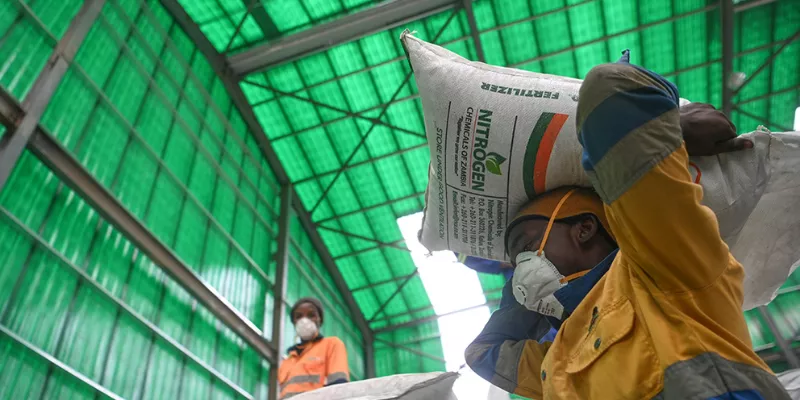
The story of Zambia is not the same; however, it is just as important. After the Russian invasion of Ukraine in 2022, which destabilized the global fertiliser market, the country experienced huge disruptions in the inflow of agricultural inputs. Thus, Zambia which was heavily dependent on imports for fertilizer, had to face production shortfalls that could lead to inadequate food production.
One of the first steps taken by the ADF in response to the issue was the approval of a financing package for the Zambia Emergency Food Production Facility that included support for the national fertiliser producer. This money has played a vital role in the construction of a new blending and granulating plant and subsequently increasing the capacity from around 70,000 to more than 430,000 metric tonnes. Hence, this extension is due to meet Zambia’s fertilizer needs, making the latter self-sufficient by 2026, and consequently, elevating her to a fertilizer-exporting status regionally.
Indeed, the outcomes are tangible and quantifiable. For instance, the price of fertilizers has lowered making farm inputs easily accessible to farmers which in turn raises food production in the countries and thus, stabilizes food security in a region highly battered by hunger crises.
The ADF interventions in Zambia and the DRC also underscore a grander plan of not only lessening the impact of the situations but also building the capacity of beneficiaries to become self-sufficient rather than dependent on the ADF. Such a view has been put across by ADF President Sidi Ould Tah who maintains that these initiatives ought to be considered as investments yielding measurable returns, with public funds acting as a lever to unlock both additional capital and private sector involvement.
The activities in the DRC and Zambia are a testament to how the right infrastructure and market interventions can change people’s life for the better. These projects are not only about numbers and budgets but also what they deliver – the basics: clean water, education, health, and the economy.