
Ngozi Okonjo-Iweala and the Quiet Strength Behind a Changing Global Trading System!
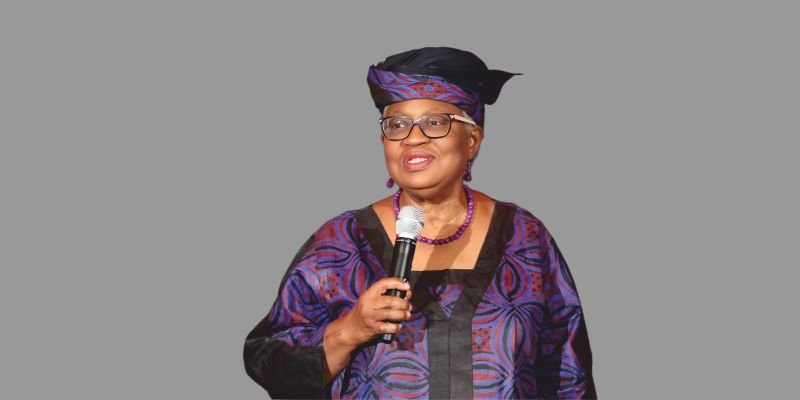
Some leaders raise their voices when pressure builds. Others lower them. Years spent negotiating debt relief for struggling nations and managing financial storms taught Dr. Ngozi Okonjo-Iweala that calm carries authority of its own. When conversations grow tense and interests collide, patience often achieves what urgency cannot.
That instinct now shapes her work as Director General of the World Trade Organization, where decisions ripple across continents and affect livelihoods far removed from diplomatic meeting rooms. Farmers waiting for export access, factory workers depending on supply chains, and entrepreneurs searching for new markets all feel the consequences of trade policy.
During a period when cooperation faces constant strain, she finds herself holding together a system many once assumed would run smoothly on its own.
When Stability Begins to Slip
People only notice international trade when there is an unexpected problem which disrupts normal operations. Everything during the previous two years has maintained an unstable condition. Major economies have renewed their tariff conflicts which had previously decreased in strength.
Countries are beginning to discuss their need to protect their internal strengths while developing their ability to operate independently. The security concerns of countries now examine supply chains which used to operate between continents as their security requirements have changed.
Okonjo-Iweala spoke about the World Economic Forum at Davos which marked the beginning of a major crisis period that has threatened international trade systems for 80 years. She requested that governments need to control their initial reactions to international crises because these actions will create greater international conflict. The message sounded measured, though its urgency remained unmistakable.
Her warning appears justified according to economic predictions. The WTO predicts that merchandise trade will experience reduced growth in 2026 which will result in a rate near 0.5 percent after initial expectations predicted higher growth rates. Economists identify tariff threats and political tensions between trading partners as the primary reasons for the economic downturn.
People need more than numerical information to understand how situations affect their lives. When trade operations decrease, businesses experience postponed times for making investment choices. This situation creates less employment opportunities and results in higher expenses for consumers who already face challenges from increasing prices. The growth potential for developing economies hinges on their ability to maintain export markets during times of disruption.
Okonjo-Iweala understands those stakes intimately.
Reform Without Losing Trust
The World Trade Organization (WTO) has experienced increasing criticism during the past few years. Some governments believe rules drafted decades ago struggle to address modern realities such as digital commerce state subsidies and artificial intelligence driven industries.
The member organization should bring all of its members to participate in mission activities to address pressing needs according to her approach. The Most Favoured Nation rule, which mandates all member nations to receive identical tariff treatment, has become a topic for discussion about potential changes to foundational principles.
She shows her willingness to change because she prefers realistic solutions instead of complete abandonment. The organization’s establishment marked a fundamental transformation of international trade. Data flows between countries operate at speeds that exceed the maximum capacity of ships and modern technology companies conduct international operations in ways that former negotiators could not foresee.
The process of reforming systems creates strong emotional responses. The smaller economies need common regulations because those regulations function as their only defense against bigger nations who might try to impose their will. The process of changing regulations requires organizations to develop rules which provide both adaptable solutions and equitable treatment.
She prefers to use dialogue as her main communication method. The two parties keep discussing their issues because they believe that talking will help them create an agreement because silence does not lead to shared solutions. Leaders at this years Davos conference stressed the need for continuous communication during geopolitical conflicts which she supports through her actions in every event she attends.
Signs of Strength Few Notice
Public debate often focuses on conflict, yet the system continues functioning more steadily than headlines suggest.
Around seventy per cent of global trade still moves under WTO frameworks. Ships continue arriving at ports, contracts continue guiding transactions, and disputes continue entering formal resolution processes rather than escalating into economic confrontation.
Okonjo-Iweala frequently points to this resilience as evidence that cooperation remains valuable even during disagreement.
Technology also offers unexpected momentum. Investment linked to artificial intelligence contributed significantly to goods trade growth during 2025, creating demand for advanced equipment and specialised manufacturing. Innovation therefore acts as both disruptor and driver, reshaping industries while generating fresh opportunities for countries able to adapt quickly.
For many developing economies, digital trade presents a rare chance to compete without heavy infrastructure costs. A software developer in Lagos or Bengaluru can reach global markets through connectivity rather than cargo containers.
Updating rules to reflect that reality sits high on her agenda.
Experience That Shapes Perspective
Her confidence rarely feels theoretical because it comes from lived experience.
Before arriving at the WTO, Okonjo-Iweala served twice as Nigeria’s finance minister during periods marked by economic volatility and political pressure. She also spent decades at the World Bank working on development programmes and debt restructuring initiatives.
Those roles demanded negotiation with governments facing competing priorities and limited resources. Success often depended on listening carefully rather than insisting on immediate agreement.
She became the first woman and the first African to lead the WTO when appointed in 2021, a milestone many viewed as symbolic of changing global leadership dynamics. Representation mattered, though symbolism alone could never solve institutional challenges waiting on her desk.
Her background allows her to speak comfortably with both advanced economies and emerging markets. Developing nations recognise someone familiar with their concerns. Industrial powers see an experienced economist capable of managing complex negotiations.
That dual credibility remains one of her strongest assets.
Trade Conflicts in a Fragmented World
The current trade conflicts show how present-day trade operations have become extremely intricate. European officials demand footed market access as a basic requirement for their client base to obtain reciprocal market access rights.
The World Trade Organization dispute resolution system has received two formal complaints about domestic manufacturing subsidy programs that different countries have established. China challenges India through its opposition to India’s production subsidy program which shows how development policies now connect with international trade agreements.
Countries pursue industrial development while their trade partners suspect that these countries’ incentive programs will create an unfair advantage during competition. The existing conflicts demonstrate that major transformation has occurred. Countries establish multiple supply networks while seeking dependable allies who can help them lower their market dependence. Okonjo-Iweala describes current changes as a fundamental shift which results from independent nation choices and shifting international partnerships.
She wants to help create shared systems which will direct change instead of stopping all change from occurring. The other option will result in divided trade blocks which create their own trade systems that will create additional difficulties for all types of businesses.
India and Emerging Opportunities
India occupies a particularly interesting position within this evolving landscape.
The latest trade agreements demonstrate increased trust in countries establishing deeper international relationships. The country will enhance its manufacturing capabilities through two measures which include reduced industrial goods tariffs and increased rights to export shipments.
Electronics manufacturing and labour intensive industries will gain advantages because companies are exploring various ways to diversify their operations. Investors now make their investment choices based on both political factors and financial performance standards. The domestic incentive conflicts show that international ambitions must connect with existing international commitments.
The WTO dispute settlement mechanism serves as a crucial tool for resolving conflicts through diplomatic means.
Despite the problems that impact its appeals process member states continue to use institutional pathways instead of completely abandoning those options. The ongoing participation shows that people still believe in the benefits of working with multiple countries.
The Discipline of Calm Leadership
Observers sometimes expect dramatic rhetoric from leaders confronting crises. Okonjo-Iweala rarely chooses spectacle.
Her speeches favour clarity over drama. When discussing reform earlier this year, she acknowledged plainly that the status quo could not continue because the global economy had changed too quickly. The statement carried urgency without alarm.
Such restraint reflects long experience. Negotiations rarely succeed when participants feel cornered or embarrassed publicly. Progress often begins when everyone senses respect within the room.
Trust builds slowly in international diplomacy. It disappears quickly when confidence erodes.
Maintaining that trust during rising geopolitical tension may represent her most demanding task.
Holding the Future Together
Global trade now moves through unfamiliar territory shaped by technological transformation, climate pressures, and shifting alliances. Growth forecasts suggest slower expansion ahead, though opportunities remain visible through services exports and digital commerce.
Artificial intelligence investment may open entirely new sectors while forcing institutions to reconsider rules written for an earlier era.
Okonjo-Iweala approaches this transition with a steady belief that cooperation still serves collective interest. Her emphasis on calm responses does not reflect optimism alone. It reflects recognition that economic conflict rarely produces lasting winners.
Progress may emerge gradually through negotiations that attract little public attention. Agreements shaped quietly across conference tables often matter more than dramatic headlines announcing disagreement.
In a period defined by sharp rhetoric and rapid reaction, her leadership style feels almost countercultural. Patience, listening, and persistence guide her approach even when pressures encourage confrontation.
Global trade stands at a crossroads where fragmentation appears tempting and cooperation demands effort. Whether the system adapts successfully may depend less on grand gestures and more on leaders willing to hold steady when uncertainty grows loud.
For now, steady hands remain exactly what the moment requires.