
The African Development Fund (ADF) is preparing for its 17th replenishment and in need of strong global backing for a US $25 billion target that could define Africa’s development for the next three years. The ADF is the concessional financing arm of the African Development Bank Group that is set to help the poorest countries of the continent. It offers a variety of grant schemes, loans on very concessional terms, guarantees, and technical assistance to mitigate long-standing development challenges.
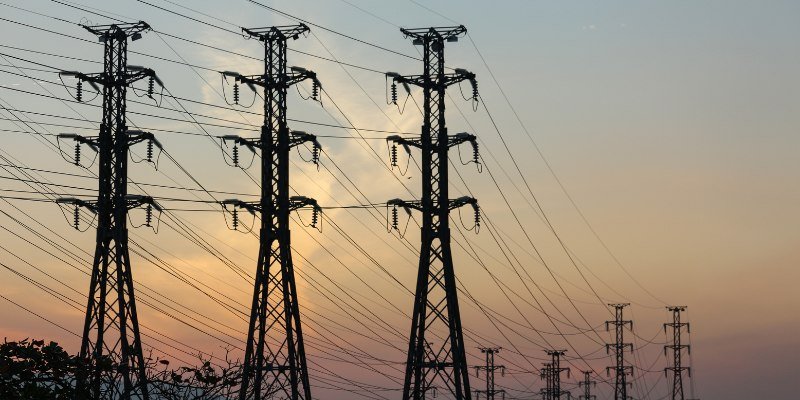
The fund has injected over $45 billion since its establishment in 1972 and has carried out millions of projects in diverse areas such as infrastructure, services, and capacity building while impacting direct and indirect project beneficiaries. ADF cycles have been used to provide access to electricity, improve water and sanitation, increase agricultural productivity, and open transportation corridors. In particular, the latest cycle, ADF-16, was able to rally $8.9 billion for projects across the continent. However, the $25 billion target for ADF-17 is a clear indication of a large ambition increase.
The African Development Bank President Sidi Ould Tah said that this replenishment was not just aid but rather an investment in Africa’s growth and global prosperity that is shared by all. He refers to the fact that the fund’s past works have enabled millions to get connected to electricity, supported millions more with water and sanitation, and improved transport infrastructure.
One of the major topics in the replenishment conversations is innovative financing. The ADF management is advocating for modifications to the fund’s constitution that will permit it to take loans from the capital markets. This so-called Market Borrowing Option would enable the fund to obtain funds directly from financial markets, thereby complementing traditional donor contributions and, after it is fully implemented, it may be possible to secure up to $5 billion per cycle.
The replenishment meeting in London in December will be a summit of leaders and development partners where they will not only finalise contributions but also decide on the priorities. The United Kingdom, who hosts the event, is already a step ahead, offering not just support but full political backing. Donor countries are being asked to demonstrate their willingness to work together in a period when global aid budgets are under threat and many of them are experiencing a tightening of their fiscal spaces at home.
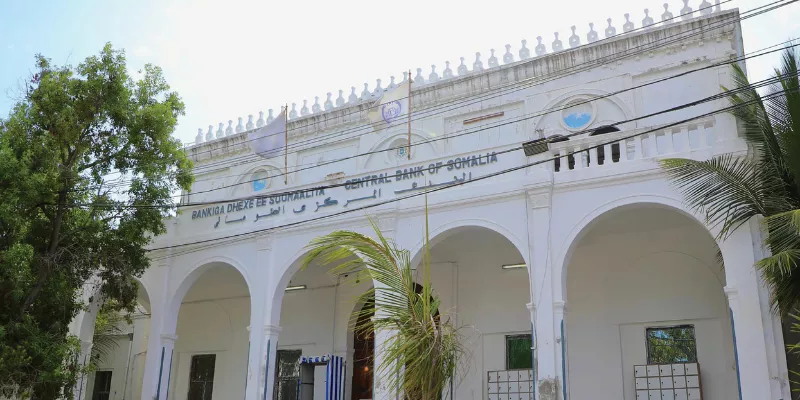
One reason for the $25 billion target is to make sure countries that are in a fragile situation such as Somalia could go on with their rebuilding process. Somalia has used the debt relief, supported by the ADF and other institutions, as an opportunity to focus on the development priorities of the nation. The ADF continues to play a significant role in the building of institutional capacity and economic revival in the situations of fragile environments.
On the one hand, as matters progress, the facts, and ways donors choose will set the tone, on the other hand, they would have a direct effect on the continent’s ability to maintain its achievements and to speed up growth. The replenishment represents a turning point in Africa’s development path and the moment when such a decisive action could be taken.