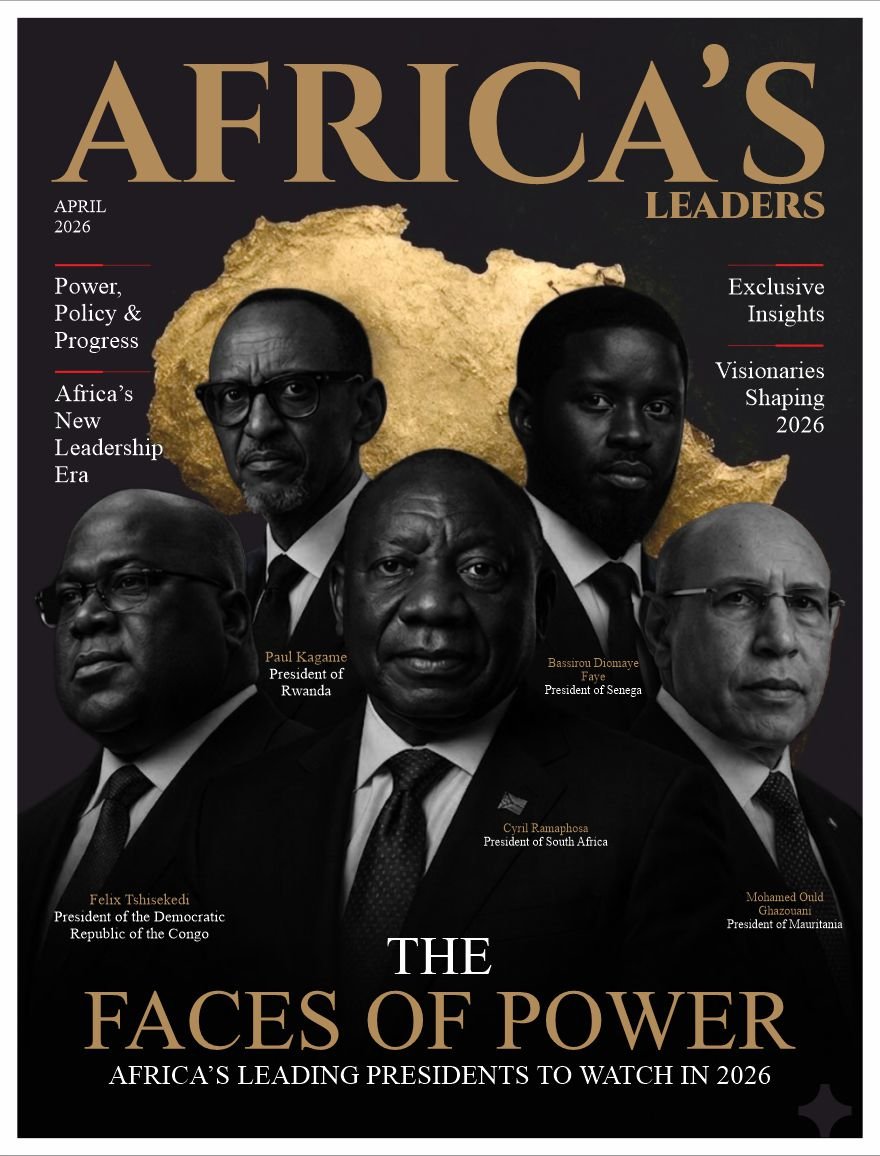

May delivered a defining test for Cyril Ramaphosa, one that went beyond protocol and press statements. In the Oval Office, Donald Trump launched an unexpected and aggressive accusation against South Africa, claiming the government was carrying out genocide and pushing White farmers off their land. The charge carried shock value, even as it lacked credibility.
What followed raised the stakes further. The US administration signaled it would boycott the G20 Summit scheduled for Johannesburg in November, an event led under South Africa’s presidency. For any nation, this would be a diplomatic blow. For South Africa, it turned into something larger: a challenge to national standing, continental credibility, and global influence.
This was diplomacy with real economic consequences on the table. Investor sentiment, international partnerships, trade confidence, and regional alignment all sat behind that single threat.
Pressure, Public Optics, and the Leadership Test
Crises like this reveal more than policy positions. They reveal temperament.
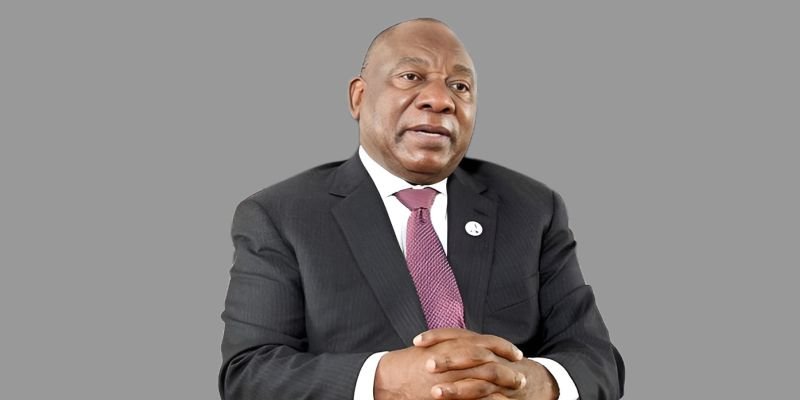
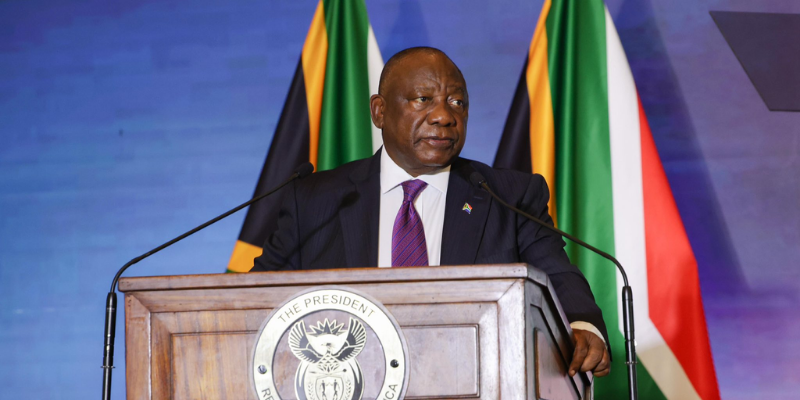
Ramaphosa chose restraint over reaction. He held his composure and kept a measured silence, leaning on a simple principle: facts carry more weight than noise. In a world where leaders often respond instantly to headlines, his approach looked deliberate and structured, almost boardroom-like.
That discipline mattered. It prevented escalation. It signaled maturity to markets. It also communicated a deeper message: South Africa would not allow external narratives to define its identity or direction.
Sovereignty as a Business Strategy
When the boycott was confirmed, Ramaphosa responded with calm firmness. His position was clear: one nation cannot intimidate another into submission. South Africa’s sovereignty is non-negotiable.
In business terms, it was the leadership equivalent of refusing a coercive deal.
Some leaders chase approval. Others protect their negotiating strength. Ramaphosa’s choice reinforced that South Africa remains open to engagement, while drawing a hard line against strong-arm tactics. For international stakeholders, this matters because predictability and stability sit at the heart of any serious economic relationship.
Africa Was Watching, and So Was the World
This moment carried implications beyond South Africa’s borders. Many viewed the exchange as a symbolic test of Africa’s status in global decision-making. Trump’s earlier remarks about Africa during his first term had already shaped perceptions of his worldview. This confrontation reopened that chapter, this time with the G20 in play.
For the continent, the issue was not only about one summit. It was about whether African leadership could stand its ground under pressure from a dominant power.
Ramaphosa’s stance helped protect something difficult to quantify yet critical to preserve: credibility. The kind that attracts partnership, strengthens negotiating power, and shapes how African priorities are treated in global rooms.
The G20: Turning a Summit Into a Strategic Platform
Under Ramaphosa’s guidance, South Africa’s G20 presidency has moved with steady focus. Rather than turning the platform into a confrontation arena, he reinforced themes that matter to the Global South:
- development finance that reaches real economies
- debt relief that restores national capacity
- sustained focus on growth priorities across emerging markets
- respect for multilateral processes and long-term global coordination
This positioning aligns with how modern economic alliances are built: through continuity, dialogue, and stability. It also reflects a leadership style that values influence over volume.
A G20 presidency is not only a political role. It is an opportunity to shape global economic attention. Ramaphosa has treated it like an executive mandate: keep the agenda clear, protect national reputation, and drive outcomes that support development.
Domestic Momentum: A Leadership Advantage
While the international clash drew headlines, Ramaphosa also strengthened his standing at home.
He emerged as the most popular leader within the country’s coalition government, and his leadership has contributed to an improvement in the ANC’s popularity rating. In a political environment where coalitions can dilute authority, this shift signals something important: he is building trust across a complex governance structure.
That matters for business because political coherence drives economic predictability. Stable leadership typically improves the investment climate, improves policy follow-through, and builds confidence across industries looking for long-term clarity.
Economic Indicators and a Shift in National Mood
South Africa’s economic health remains under pressure from long-standing challenges, yet key indicators have stayed relatively steady. Even more significant is the change in national sentiment.
There is a renewed sense of optimism around South Africa’s ability to solve problems that once felt permanent. This optimism is not driven by speeches. It is driven by signals that institutions are finding their footing again.
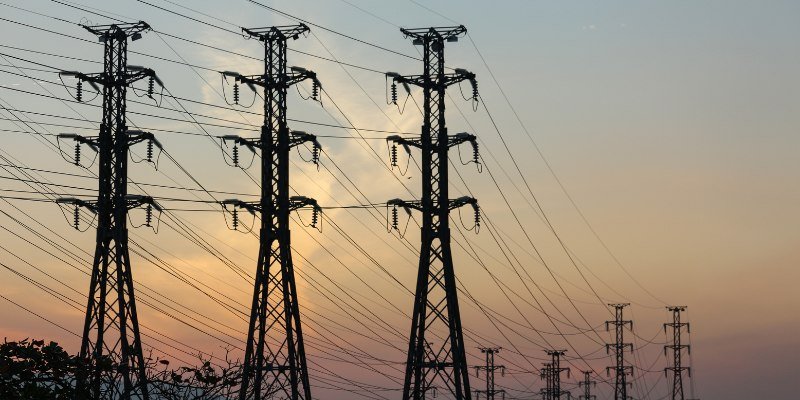
One standout symbol is Eskom, the national power utility that has faced years of public frustration and operational strain. The agency expects a return to profitability, a development that carries weight far beyond its balance sheet.
Energy stability acts like oxygen for economic performance. When electricity becomes dependable, productivity rises, investor confidence strengthens, and businesses gain room to plan expansion instead of operating in survival mode.
Crisis Leadership With a Long Game Mindset
Ramaphosa’s year reflects a form of leadership that resembles the mindset of a turnaround CEO. Calm under pressure. Focused on institutional strength. Willing to absorb noise while defending core principles.
His Oval Office response showed discipline. His domestic standing shows resilience. His G20 approach shows strategic maturity. Together, these elements define a leader working to balance sovereignty, diplomacy, and economic confidence at the same time.
The Bigger Takeaway for Business and Leadership
The real lesson from this chapter is not about one accusation or one boycott. It is about how modern leadership works when pressure is public, global, and immediate.
Ramaphosa demonstrated that strength can look quiet. That credibility is built through consistency. That national dignity and economic strategy can sit on the same page.
South Africa enters the G20 Summit season with its global posture intact, its development agenda sharpened, and its internal momentum showing signs of lift. For global business leaders watching emerging markets closely, this is the kind of story that signals more than politics.
It signals a country working to position itself as a serious player, led by a president who understands that in the global economy, respect is earned through discipline, clarity, and the refusal to be pushed off course.