
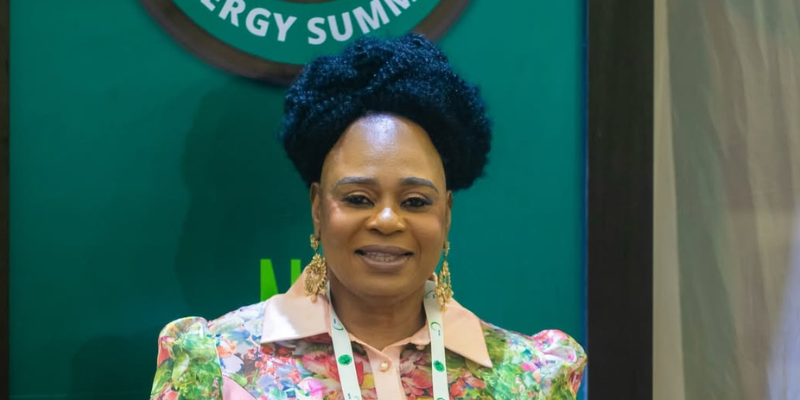
Lady Josephine Nwaeze did not start her career in power engineering. Her academic background includes language arts, law, and business administration. She later pursued a PhD to strengthen her leadership foundation. Despite this, she took the helm of NEWS Engineering Nigeria Limited, a firm historically rooted in electrical and construction services, and transformed it into a formidable force in Nigeria’s energy sector.
What makes her story compelling for business leaders is that it challenges the assumption that industry expertise must precede leadership. Instead, she prepared herself through continuous learning and practical engagement, proving that readiness comes from resolve and relentless effort.
When she assumed leadership of NEWS Engineering following the tragic death of her husband, Sir Ojimadu Nwaeze, in a 2006 plane crash, Lady Nwaeze stepped into uncharted territory. She did so in an environment where skepticism about women’s roles in engineering leadership was widespread.
Her approach was systematic: she attended seminars, joined professional organisations, and filled gaps in her technical knowledge through consultation and networking. Over the years, she built credibility and ensured the company remained competitive.
Overcoming Structural Barriers and Strategic Challenges
Leading an indigenous engineering company in Nigeria has not been straightforward. Lady Nwaeze regularly points to funding challenges, rigid policy environments, and structural biases that favour foreign contractors. Banks often attach high interest rates to loans, and government policies meant to support local enterprises are inconsistently implemented, she observes. These constraints slow growth and strain strategic planning.
Yet, rather than become discouraged, she used these constraints to sharpen her strategic focus. Lady Nwaeze emphasises the importance of partnerships with industry bodies such as the Nigerian Society of Engineers, where she became the first female honorary fellow. This recognition showed the industry that NEWS Engineering was not only enduring but innovating.
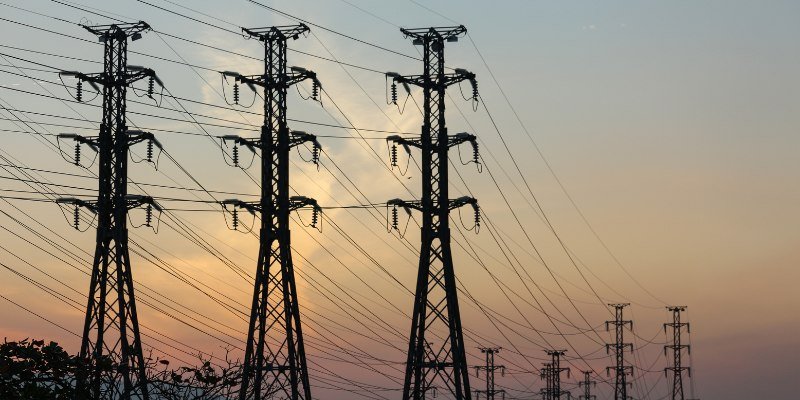
Part of her strategic response was to diversify the company’s portfolio. Under her leadership, NEWS Engineering maintained traditional electrical engineering services while advancing into renewable energy initiatives and broader infrastructure projects. The company executed key power generation and distribution projects across Nigeria’s six geopolitical zones, including smart grid implementations and substation builds.
Reinventing the Business Model: Innovation and Sustainability
Energy infrastructure is evolving rapidly. Lady Nwaeze recognised early that renewable energy solutions would become central to meeting Nigeria’s power demands. She integrated sustainable energy projects into the company’s services, such as solar mini-grids in remote regions. Projects in Sokoto and Niger States demonstrate NEWS Engineering’s capacity to deliver solutions that align with both national development goals and global sustainability trends.
These efforts positioned NEWS Engineering not as a traditional power engineering firm but as an innovative enterprise capable of managing the transition to renewable and hybrid energy solutions. The company’s diversification also extended to manufacturing smart metres, producing precast concrete poles, and establishing subsidiaries focused on consultancy, training, and real estate. This breadth reflects Lady Nwaeze’s belief that resilience in business comes from adaptability and foresight.
Leadership Under Pressure: Building a Legacy
Business leaders often talk about learning on the job, but few embody that phrase as fully as Lady Nwaeze. She acknowledges that her early tenure was shaped by urgency and pressure. With limited technical grounding in engineering, she relied on mentorship, industry contacts, and the wisdom of experienced staff. She embraced the role of a continuous learner, attending business schools and leadership programs to compensate for her lack of formal engineering training.
Her journey underlines a broader lesson for executives: leadership is defined not by credentials alone but by the capacity to absorb new knowledge, make decisions in uncertainty, and cultivate a culture of excellence. Lady Nwaeze herself described her role initially as that of an “emergency CEO” who had to grow into the demands of the position.
Her leadership philosophy combines strategic focus with empathy. She invested in people development, understanding that the company’s future hinged on nurturing talent capable of driving innovation. To this end, she launched initiatives aimed at empowering young engineers, especially women, to pursue careers in sectors where they are historically underrepresented.
What This Means for Business Today
Lady Josephine Nwaeze’s trajectory offers a clear message for leaders in emerging markets and beyond: resilience and vision can overcome deeply entrenched barriers. Her story shows that sustained investment in learning, talent development, and strategic diversification can reposition a traditional company for 21st-century challenges. It also highlights the importance of policies that genuinely support local enterprises rather than favour external competitors.
For executives navigating sectors facing disruption and inequality, her experience demonstrates the value of adopting a long-term view. Success is not merely about short-term gains but about cultivating trust, relevance, and value that endure through economic cycles.
In an industry where leadership roles were once assumed to require technical qualifications first, Lady Nwaeze proves that courage and preparation can redefine what leadership looks like. Her legacy is not just the projects she has completed but the path she has charted for women and entrepreneurs in sectors where barriers remain steep.