

In the complex arena of nation branding, success is rarely loud. It is built quietly, patiently, and with precision. Jimmy Ranamane understands this better than most. As a general manager working at the intersection of global marketing, trade promotion, investment attraction, and destination branding, he has spent years shaping how South Africa is seen, understood, and trusted on the world stage.
Ranamane is not selling a product. He is stewarding a national reputation. That distinction defines his work and explains its impact. With a track record showing a 98% success rate across initiatives, many of his campaigns have moved beyond awareness into long term adoption, formal partnerships, and signed Memoranda of Understanding with global stakeholders.
The Architecture of Global Perception
At the heart of Ranamane’s work is a belief that perceptions shape prosperity. Investment flows where confidence exists. Tourism grows where stories resonate. Trade expands when credibility is established. His career reflects this logic, blending marketing, communications, and stakeholder engagement into cohesive national narratives that translate into economic value.
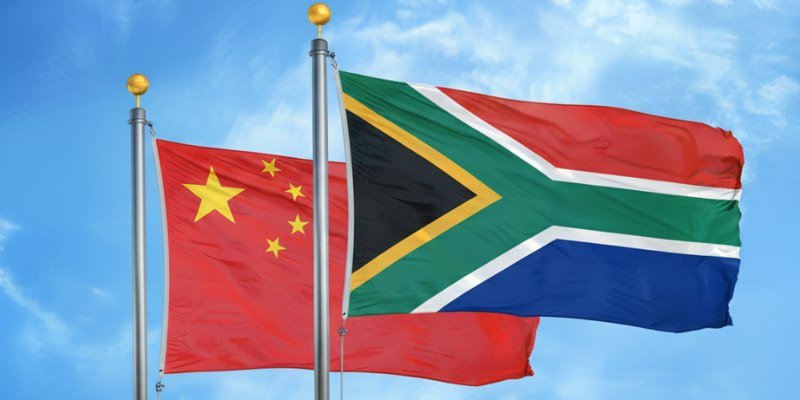
Among the initiatives he has led or helped shape are the Global South Africans Initiative, now a flagship program of Brand South Africa, multiple editions of the BRICS Business Forum, South Africa’s London Investment Week, and PR and marketing strategies supporting trade and city expos in China. Each project carried the same ambition. Position South Africa as competitive, credible, and open for collaboration.
A Framework for Competitive Positioning
Ranamane approaches nation branding through structure, not slogans. He applies Simon Anholt’s Nation Brand Hexagon, focusing on six interconnected pillars: investment and immigration, exports, tourism, governance, people, and culture and heritage.
Tourism associations come naturally. Table Mountain, Cape Point, the Blyde River Canyon, and national parks like Kruger and Pilanesberg remain powerful symbols. But he is equally deliberate in elevating exports such as premium wines, fresh produce, and gourmet meats, alongside South Africa’s cultural capital.
Artists and global figures including Trevor Noah, Thuso Mbedu, Charlize Theron, and DJ Black Coffee contribute to the country’s soft power. Sporting excellence in rugby, cricket, and football reinforces recognition. Governance narratives emphasize South Africa’s constitutional democracy, peacekeeping role in Africa, and principled positions on global justice issues.
To ensure credibility, Ranamane relies on evidence. He tracks global standing using indices such as the World Economic Forum Competitiveness Report, the Ibrahim Index of African Governance, the Bloom Consulting Global Reputation Study, and ongoing investor perception research.
Mobilizing Stakeholders Across Continents
One of his most complex recent undertakings was a PR and stakeholder mobilization campaign supporting South Africa’s role in the BRICS Summit and Business Forum. The objective extended beyond visibility. It aimed to engage African and Asian stakeholders, promote the Africa Continental Free Trade Area, and position South Africa as a gateway to continental opportunity.
Challenges were real. As the sole African BRICS representative at the time, securing buy in across the continent required diplomacy, clarity, and trust. Encouraging businesses to participate and showcase their offerings tested coordination. Integrating AfCFTA narratives and engaging African media strengthened legitimacy.
The outcome demonstrated Ranamane’s core strength. He does not work around stakeholders. He works with and through them.
Culture as a Competitive Advantage
For Ranamane, cultural diversity is not decorative. It is strategic. He describes South Africa’s diversity as a defining differentiator, a living expression of national identity. Through collaboration with the creative industries, film, fashion, music, and art become instruments of global storytelling.
The Global South Africans Initiative exemplifies this approach. Targeting South Africans in the diaspora, the program activates citizens abroad as brand advocates. It shares success stories, counters misinformation, and equips the diaspora with credible insights to shape international perception from within their host countries.
Digital First, Engagement Led
Modern nation branding lives online. Ranamane understands this shift clearly. Roughly seventy percent of campaigns under his direction are executed through digital and social media platforms, both owned and partner channels. Engagement, not broadcast, defines the strategy.
Digital analytics track reach, engagement, sentiment, and behavior. Media partnerships prioritize platforms that understand new media dynamics. Campaigns are continuously refined based on data rather than instinct.
The Complexity of Place Branding
Ranamane is candid about the challenges of his field. Place branding is more complex than corporate branding because control is limited. A nation does not deliver a single service. Investors, tourists, and partners interact with multiple institutions, public and private.
Measurement therefore demands nuance. Awareness and interest can be tracked, but conversion often happens outside the brand custodian’s direct control. This reality requires humility and influence rather than force.
Telling the Full Story
Balancing strengths and weaknesses is one of the most delicate aspects of Ranamane’s work. As a constitutional democracy, South Africa must communicate transparently. Brand South Africa’s role is not propaganda. It is storytelling with integrity.
When challenges arise, such as the gray listing issue, Ranamane avoids defensiveness. He frames the issue, explains corrective actions, and highlights progress. Credibility, he believes, grows when honesty is paired with solutions.
Rebuilding Pride From Within
Domestic perception matters as much as global reputation. When research showed declining patriotism, Brand South Africa launched the “This is who we are” campaign. It leaned into nostalgia, shared achievements, and reminded citizens of shared values.
The shift in public sentiment was measurable. Positivity, often absent from mainstream narratives, reentered the conversation.
Looking Ahead
With milestones such as South Africa’s G20 presidency, BRICS expansion, and growing leadership within AfCFTA, Ranamane sees momentum building. Digital marketing, AI driven personalization, experiential campaigns, and sharper measurement tools will shape the next phase.
His message is consistent. To strengthen South Africa’s global position, the nation must address challenges honestly while celebrating its strengths boldly. Nation branding, done right, becomes an engine of unity, confidence, and growth.
Jimmy Ranamane’s work proves that when strategy meets substance, a country can tell its story with clarity and command respect on the world stage.