
How NJ Ayuk Is Rewriting Africa’s Energy Future!
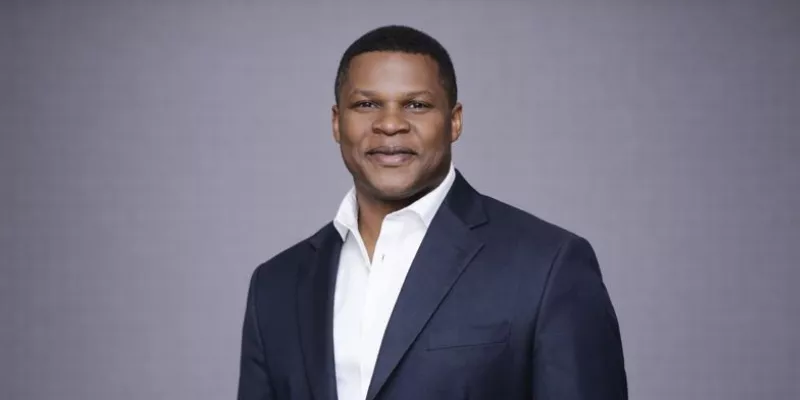
Business leaders are usually taught to be careful. Speak softly. Avoid controversy. Protect relationships. N.J. Ayuk chose a different path. His rise as one of Africa’s most outspoken energy entrepreneurs did not come from caution. It came from conviction.
Ayuk believes Africa has been cornered in the global energy conversation. Wealthy nations continue to produce and finance hydrocarbons while urging African countries to walk away from theirs. For him, this is not climate leadership. It is inequity disguised as strategy. His message is disarmingly simple. The continent’s most urgent crisis is poverty, not emissions. And any energy transition that ignores that truth is doomed to fail.
This bluntness has made him one of the most polarizing voices in global energy. It has also made him impossible to ignore.
Reframing the Debate Around Power, Not Politics
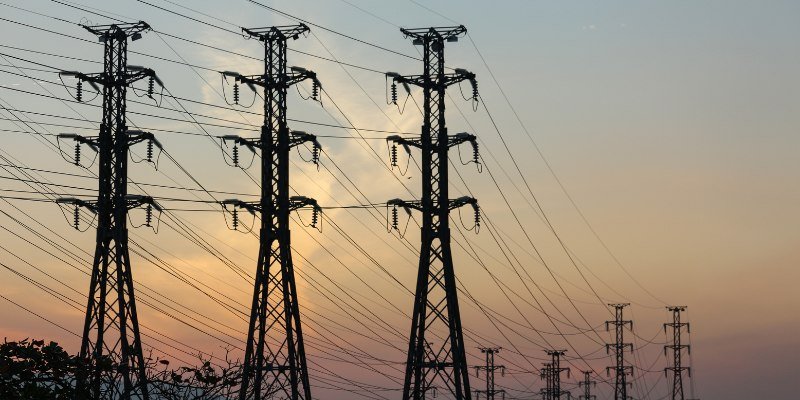
Ayuk’s arguments are rooted in economic realism. More than 600 million Africans still live without electricity. Industries struggle. Health systems stall. Youth unemployment surges. In his view, asking countries at this stage of development to leap immediately into renewable-only systems is not ambition. It is blindness.
He advocates a phased approach. Oil and gas development where it makes economic sense. Gas as a transition fuel to stabilize power generation. Gradual scaling of renewables. Local content rules that keep value on the continent. Investment frameworks that de-risk projects while protecting national interests.
This is not anti-transition rhetoric. It is an insistence on sequencing. Build power first. Build industries next. Transition sustainably, not symbolically.
His critics accuse him of defending fossil fuel interests. He counters that he is defending sovereignty. Markets, he argues, should be shaped by Africa’s priorities, not by external pressure masquerading as moral guidance. The market listens because he frames energy not as ideology, but as a development tool.
Building Platforms, Not Just Opinions
Ayuk’s influence did not grow only through commentary. He built infrastructure around his advocacy. Industry gatherings. Investor conferences. Media platforms. Policy roundtables. These spaces give African producers and policymakers a rare chance to speak on their terms rather than react to narratives written elsewhere.
He has positioned Africa as a market to partner with, not a territory to lecture. Investment conversations that had grown quiet are reawakening. Producers coordinate more closely. Government officials speak with clearer alignment. Companies, from upstream operators to service providers, engage differently when they feel represented, not managed.
For global investors accustomed to opaque policy environments, that coordination matters. It signals stability. It suggests opportunity. And it clarifies that Africa intends to negotiate its energy agenda from a position of confidence.
Unapologetic Leadership, Calculated Impact
Ayuk’s communication style is confrontational by design. He challenges donor governments publicly. He questions the intentions behind climate financing structures. He calls out hypocrisy when wealthy countries approve new drilling projects while lecturing Africa about restraint.
The tone is intentional. Outrage breaks complacency. Visibility creates leverage. Attention forces conversation.
That approach has earned him criticism. It has also earned him access. Investors call. Journalists listen. Policymakers invite him into rooms where decisions are shaped. His role is not ceremonial. It is catalytic.
Business leaders pay attention because his message aligns with their risk reality. A continent that cannot power its factories cannot sustain returns. A transition that does not integrate local participation creates fragile ecosystems. His voice, though provocative, is rooted in practical economics.
The Business Case Behind His Argument
Strip away the rhetoric and Ayuk’s thesis is deeply commercial.
First, hydrocarbons represent capital already proven. Ignoring them leaves billions in the ground while governments borrow to finance imports. That math does not work.
Second, natural gas offers a stabilizing bridge. It powers industrialization, fertilizes agriculture, and anchors manufacturing. Without it, renewable integration becomes unstable and expensive.
Third, domestic capability is non-negotiable. Africa cannot repeat the history of exporting raw resources while importing refined value. Processing, manufacturing, and service capacity must be built locally.
Finally, policy clarity attracts money. Investors know risk cannot be eliminated, but it can be priced. Transparent regulation, contract sanctity, and long-term planning unlock capital that fear alone keeps away.
Ayuk’s advocacy consistently circles back to these fundamentals. Create growth. Build jobs. Expand tax bases. Then accelerate climate ambitions from a position of strength, not fragility.
Owning the Narrative, Owning the Future
Perhaps Ayuk’s most lasting accomplishment is narrative control. For years, Africa’s energy debate has been framed externally. Today, governments increasingly speak in terms of fairness, transition pathways, and developmental realism. They insist on partnerships instead of prescriptions.
That shift is psychological as much as it is strategic. When a continent claims agency over its future, negotiations change. Contracts shift. Revenue retention improves. Youth engagement rises. Global partners approach with respect, not paternalism.
Ayuk did not create these pressures. He amplified them. His insistence that Africa deserves a seat at the table echoes across boardrooms and summit halls alike.
A Controversial Figure With undeniable Momentum
Yes, his style polarizes. Yes, environmental critics challenge him fiercely. But momentum recognizes outcomes, not comfort. He has united fragmented industry voices. He has kept Africa at the center of global energy dialogue. He has re-energized investors who once viewed the continent as risk without reward.
For a business magazine audience, here is the bottom line. Ayuk is not simply talking about energy. He is shaping the platform upon which Africa’s next phase of industrial growth may stand. Investors who ignore that shift risk misunderstanding both the political climate and the opportunity curve.
His argument is clear. Transition must be inclusive. Development must be realistic. And Africa must own its choices.
Whether admired or resisted, NJ Ayuk has forced the world to listen. In that respect, he has already achieved something rare in business and geopolitics alike. He has changed the conversation.