
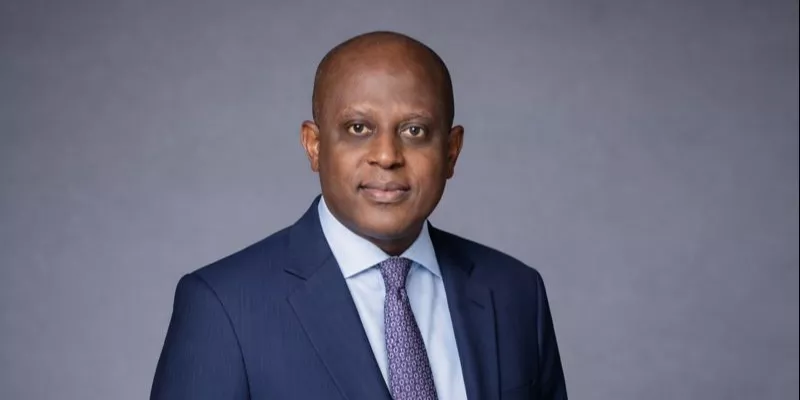
There are moments when leadership feels less like a position and more like a culmination. A quiet convergence of experience, judgment, and timing. For Olayemi Cardoso, that convergence arrived at the helm of the Central Bank of Nigeria after more than four decades spent inside the machinery of global finance, public policy, and institutional reform. His story is not one of abrupt ascent. It is a study in patience, range, and credibility earned over time.
Forged in Global Finance
Cardoso’s professional journey began far from Nigeria’s policy corridors. In London, at Howard Tilly & Co., he learned the discipline of accounting and the rigor of financial scrutiny. That grounding soon carried him into Citibank in 1981, then the world’s largest bank and a training ground for international finance at its most demanding level.
Posted to Abidjan, Ivory Coast, he worked on Citibank’s Financial Institution and Non Presence Country portfolios, managing complexity across borders and currencies. Those early years shaped his understanding of risk, liquidity, and institutional trust, the invisible forces that sustain banking systems. By 1982, he returned to Nigeria to join Chase Merchant Bank, adding local market depth to his global exposure.
Building Institutions from the Inside
In 1984, Cardoso became a founding staff member of Nigeria International Bank, now Citi Nigeria Limited. This phase would define his reputation as a builder. He led the World Corporation Group, managing relationships with Citi’s most strategic clients in Nigeria at a time when the economy demanded resilience and confidence.
His appointment as the first Branch Manager in Kano carried symbolic and operational weight. It signaled a commitment to regional inclusion and commercial expansion beyond traditional financial centers. Over eight years as an Executive Director, he helped steer the institution through volatility while embedding governance standards that would outlast his tenure. By the time he left Citibank in 1990, he had already become a reference point for professionalism in Nigerian banking.
From Markets to Public Mandate
The transition from private finance to public service came in 1999, when the Lagos State Government appointed Cardoso as its first Commissioner for Economic Planning and Budget. The timing mattered. Nigeria was emerging from military rule, and Lagos needed a credible economic framework to match its scale and ambition.
Cardoso delivered a development blueprint that redefined fiscal planning in the state. It emphasized data driven budgeting, institutional coordination, and long term economic competitiveness. The result was not just growth, but confidence. Lagos began to operate like a modern subnational economy, capable of attracting capital and sustaining reform.
A Bridge Between Policy and Practice
After leaving government in 2005, Cardoso returned to the private sector without leaving public policy behind. He became a trusted adviser to global institutions, collaborating with the World Bank, Ford Foundation, UN Habitat, World Health Organisation, and the Swedish International Development Agency. His value lay in translation. He understood how global development frameworks met local realities and where they often failed.
This period reinforced his standing as a policy expert who could move fluidly between boardrooms and development agendas. He advised on urban development, governance reform, health systems, and financial inclusion, always with an emphasis on institutional strength rather than short term intervention.
Governance as a Career Theme
Corporate governance has been a consistent through line in Cardoso’s career. His board roles, including at Chevron Oil PLC and as Chair of the World Bank Lagos Metropolitan Development and Government Project, reflect a belief that systems matter more than personalities.
In 2010, he returned to Citibank Nigeria, this time as Chairman. Over twelve years, he oversaw the bank through regulatory shifts, technological change, and heightened expectations around compliance and transparency. His leadership style favored clarity and accountability, qualities that resonated in an era of tightening global standards.
At the Center of Monetary Authority
Cardoso’s appointment as Governor of the Central Bank of Nigeria placed him at the core of the nation’s economic architecture. It was a role that demanded more than technical expertise. It required trust from markets, credibility with international partners, and the confidence of a public watching inflation, currency stability, and growth prospects with concern.
His background offered something rare. A leader fluent in private banking logic, public finance discipline, and development economics. Someone who had seen how policy decisions ripple through institutions and households alike. At the Central Bank, that breadth matters. Monetary authority is not only about rates and reserves. It is about signaling seriousness, restoring confidence, and anchoring expectations.
The Weight of Experience
What distinguishes Olayemi Cardoso is not a single achievement, but the accumulation of judgment. Four decades across sectors have given him perspective that cannot be hurried. He understands that economic reform is iterative, that institutions outlast individuals, and that credibility once lost is difficult to regain.
In a global environment marked by uncertainty and rapid change, his leadership reflects steadiness rather than spectacle. A belief that progress comes from alignment between policy intent and institutional capacity. For Nigeria, that alignment is not optional. It is essential.
As Governor of the Central Bank of Nigeria, Cardoso stands as a reminder that the most enduring leaders are often those who prepared quietly, consistently, and with purpose long before the spotlight arrived.