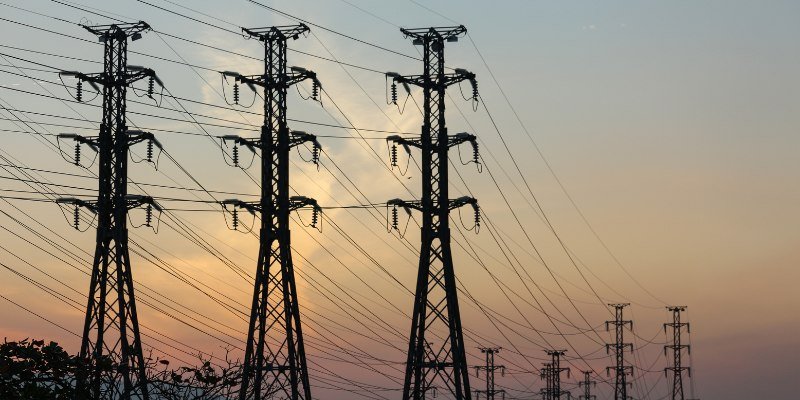

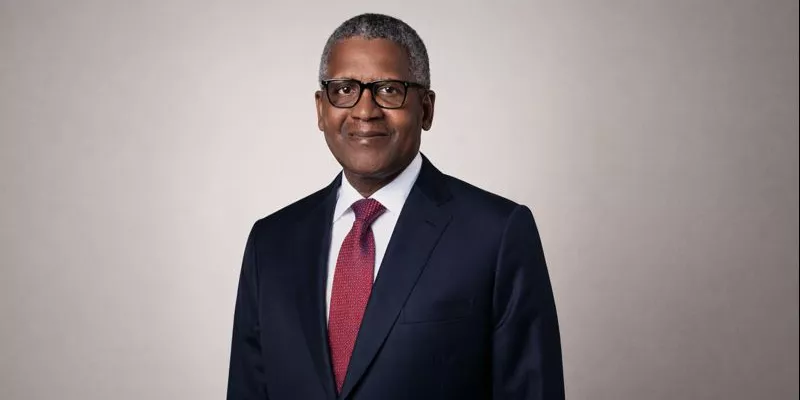
As the sun rises over the Lekki Free Zone, steel towers catch the light and flare into life. Pipelines hum, furnaces glow, and crude oil begins its long transformation into fuel for a continent that has spent decades exporting raw potential and importing finished answers. This is not just an industrial site. It is a wager on Africa’s future. And behind it stands one man: Aliko Dangote.
Dangote’s story is not about sudden wealth or digital disruption. It is about endurance, control, and the belief that scale is destiny. In a global economy that often sidelines African industry, he chose the hardest possible path: building heavy manufacturing from the ground up, in full view of skeptics, regulators, and rivals.
Roots of Commerce
Dangote was born in 1957 in Kano, a city once defined by groundnut pyramids and cross Saharan trade. Business was not an abstract concept in his childhood. It was daily life. His maternal lineage traced back to Alhassan Dantata, once the richest man in West Africa, whose trading empire predated Nigeria itself.
Commerce came early. As a boy, Dangote sold sweets to classmates and reinvested the proceeds. The lesson stayed with him. Profit was not for display. It was for growth. That mindset would later separate him from peers who chased quick returns rather than long arcs.
After completing his early education in Kano, Dangote traveled to Cairo to study business at Al Azhar University. Egypt exposed him to a broader economic canvas, one where history, scale, and commerce intertwined. When he returned to Nigeria, he brought back something rare: patience.
Trading Before Owning
In 1977, armed with a modest loan from his uncle, Dangote founded a small trading company. Sugar. Salt. Rice. Essentials that moved steadily through Nigerian ports. There were no factories, no headlines, and no illusions. Just margins, logistics, and trust.
This period shaped him. He learned ports, bottlenecks, and supply chains the hard way. During Nigeria’s infamous cement import boom of the late 1970s, when ships clogged Lagos Harbor and chaos reigned, Dangote did not retreat. He invested in trucks and distribution, understanding early that control of movement was as valuable as control of production.
The Cement Pivot
By the 1990s, Dangote made a decision that would redefine African manufacturing. Importing was not enough. Real power lay in producing locally at scale. Cement became the vehicle.
Dangote Cement emerged in direct competition with established foreign players. The odds were steep. Infrastructure was weak. Capital requirements were massive. Policy risks were constant. Yet the strategy was simple and relentless: build plants close to demand, scale faster than competitors, and price aggressively.
The result was transformative. Dangote Cement grew into one of Africa’s largest manufacturers, with operations across multiple countries and billions in annual revenue. It reshaped construction markets and reduced Nigeria’s dependence on imports, while cementing Dangote’s reputation as an industrialist rather than a trader.
Sugar, Steel, and Structure
Cement was not an exception. It was a template.
Dangote Sugar Refinery followed the same logic, growing into one of the largest producers on the continent. Flour, salt, and other staples joined the portfolio. Each business targeted essentials, industries where demand was predictable and scale created defensibility.
Critics began to speak of dominance. Supporters spoke of nation building. Dangote stayed focused on execution. In his view, fragmented markets benefited no one. Industrialization required concentration, discipline, and capital deployed over decades, not quarters.
Power and Proximity
With scale came political proximity. Dangote advised presidents, funded public health responses, and served on economic management teams. He was awarded Nigeria’s second highest national honor in 2011 and named among the world’s most influential people soon after.
This closeness drew scrutiny. Allegations of preferential treatment and regulatory advantage followed him for years. Dangote denied impropriety, arguing that his investments were visible, taxed, and risky in ways few were willing to attempt. In Nigeria’s complex political economy, success and suspicion often arrive together.
The Refinery Gamble
Nothing defined Dangote’s ambition more than the oil refinery in Lekki. Designed to process hundreds of thousands of barrels per day, it promised to change Nigeria’s fuel equation permanently.
For years, the project was delayed. Costs ballooned. Skepticism grew. Yet Dangote persisted, committing personal capital to a project many believed only a state could attempt. When the refinery was commissioned in 2023, it instantly became Africa’s largest.
The implications were enormous. Reduced fuel imports. Increased energy security. Lower exposure to foreign exchange shocks. But also new fears of market concentration. Regulators, marketers, and policymakers clashed over pricing and access. The refinery became a national conversation, not just an asset.
Beyond Nigeria
Dangote’s vision extended beyond borders. Cement plants in Benin and Ghana. A major joint venture in South Africa. In 2025, an entry into East African tourism through the acquisition of a historic Kenyan safari company.
Each move followed a consistent philosophy: invest where fundamentals are strong, build patiently, and commit for the long term. Dangote did not chase trends. He built infrastructure.
Wealth and Volatility
Dangote’s fortune rose and fell with markets, currencies, and policy shifts. He became Africa’s richest man, briefly lost the title, and regained it. Net worth figures fluctuated by billions. He appeared unfazed.
For Dangote, wealth was not the scoreboard. Ownership was. Control of productive assets mattered more than market sentiment. Volatility was a feature, not a flaw, of operating at scale in emerging economies.
Philanthropy and Responsibility
Through the Dangote Foundation, he invested heavily in health, education, and disaster relief. Millions were donated during Ebola and COVID outbreaks. Long term commitments were made to malaria eradication and nutrition.
Skeptics questioned motives. Supporters pointed to measurable impact. Dangote framed philanthropy as obligation rather than image. In his view, industrialists who benefit from society must also stabilize it.
A Legacy Still Being Written
Dangote became Nigeria’s first billionaire in 2007. Today, he stands as one of the most consequential business figures the continent has produced. His supporters see proof that Africa can industrialize on its own terms. His critics warn of excessive concentration of power.
Both arguments hold weight. What is undeniable is impact.
Dangote does not trade in abstractions. He trades in cement that builds cities, sugar that feeds millions, and fuel that moves economies. His legacy is not a personal brand. It is physical, measurable, and difficult to reverse.
As Africa debates its path between imports and self reliance, one fact remains clear. Aliko Dangote did not wait for permission to build. He built first, and forced the conversation to catch up.