

A 28-year-old woman wins a parliamentary seat in Kenya. A 31-year-old engineer becomes a city mayor in Nigeria. A student protest in Senegal reshapes a presidential election. Across Africa, young people are not waiting for permission to lead, they are already doing it.
Youth-led change in African politics is no longer a trend to watch. It is happening right now, and it is reshaping governments, policies, and public trust in real time.
Who are the Next-Gen Political Leaders Driving Change in Africa?
Africa is the world’s youngest continent. The median age is just 19 years, according to the United Nations Population Fund. By 2030, young people aged 15 to 35 will make up over 42% of Africa’s total population. That is an enormous political force, and it is finally finding its voice.
Young leaders today are coming from backgrounds that older politicians rarely do. Former activists. Tech founders. Community organizers. Climate advocates. They speak the language of their generation, they understand digital spaces, and critically, they have lived through the failures of old systems firsthand.
In Rwanda, nearly 61% of parliamentary seats are held by women, many of them under 40. That is the highest rate in the world. In Ethiopia, Prime Minister Abiy Ahmed came to power at 41 and went on to win the Nobel Peace Prize. These are not isolated stories, they are signals of something structural shifting.
How are Young African Leaders Actually Changing Politics on the Ground? Are social media and technology giving young politicians a real advantage?
Absolutely. Platforms like X (formerly Twitter), TikTok, and WhatsApp have completely changed how African politicians reach voters, especially young ones. A candidate with a strong YouTube presence can reach rural communities that mainstream media ignores.
In Nigeria’s 2023 elections, Peter Obi’s campaign, which drew massive support from young urban voters called the “Obidient Movement,” was largely organized online. Exit polls showed voters aged 18 to 35 were his strongest demographic. While he did not win, the movement proved that youth voter mobilization through digital tools is a serious political force.
Across the continent, youth-led civic tech startups are also tracking corruption, monitoring elections, and making government data public. Organizations like Odekro in Ghana and Mzalendo in Kenya hold parliament accountable by publishing attendance records and voting histories, information that previously sat in dusty government archives.
What policy areas are young African leaders prioritizing?
Climate, jobs, and digital infrastructure are the big three. Young leaders are pushing hard on all of them.
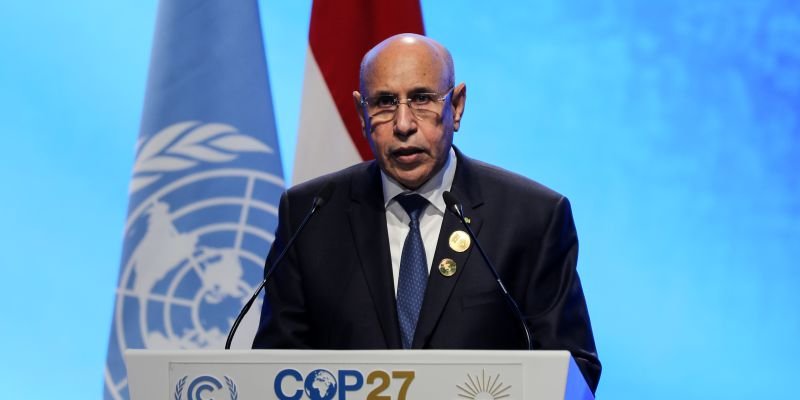
Africa contributes less than 4% of global carbon emissions, yet faces some of the worst climate impacts, droughts, floods, displaced communities. Young politicians are loudly calling this out on global stages. At COP28, African youth delegates demanded binding commitments and loss-and-damage funding from wealthier nations.
On jobs, the urgency is acute. The African Development Bank estimates the continent needs to create 12 million new jobs every year just to absorb new workers entering the labor market. Young politicians understand this personally. Many of them graduated into unemployment. They are not theorizing about the crisis, they lived it.
What Challenges Do Young Political Leaders in Africa Still Face?
Experience gaps and funding barriers remain real problems. Many political systems still heavily favor established party networks and older gatekeepers who control nominations and campaign financing.
In several countries, constitutional age minimums also lock young people out of top offices. Tanzania and Zimbabwe, for instance, require presidential candidates to be at least 40. These laws were written in a different era, and youth advocacy groups are actively pushing to reform them.
There is also the trust gap. In communities where politics has meant broken promises for decades, convincing voters that a young candidate is different, not just in age, but in substance, takes consistent, visible work. The leaders making headway are the ones staying connected to their communities after elections, not just before.
The Bigger Picture
What is happening in Africa has global relevance. When the world’s youngest continent starts electing leaders who actually reflect its population, it creates a new model for political renewal. Older democracies with aging leadership and declining youth participation are watching closely.
Youth-led change in Africa is not just about age. It is about accountability, adaptability, and a genuine demand for governance that works. Young leaders bring urgency because they have the most to lose if things stay broken.
The shift is uneven, and it will not be linear. But the direction is clear.
Frequently Asked Questions (FAQs)
Which African country has the most youth representation in government?
Rwanda leads globally, with women, many under 40, holding about 61% of parliamentary seats. Uganda also has a dedicated parliamentary seat for youth representatives.
What percentage of Africa’s population is under 35?
Approximately 70% of Africa’s population is under 35, according to the African Union. This makes it the youngest continent by median age.
Are young African leaders making a real difference in policy?
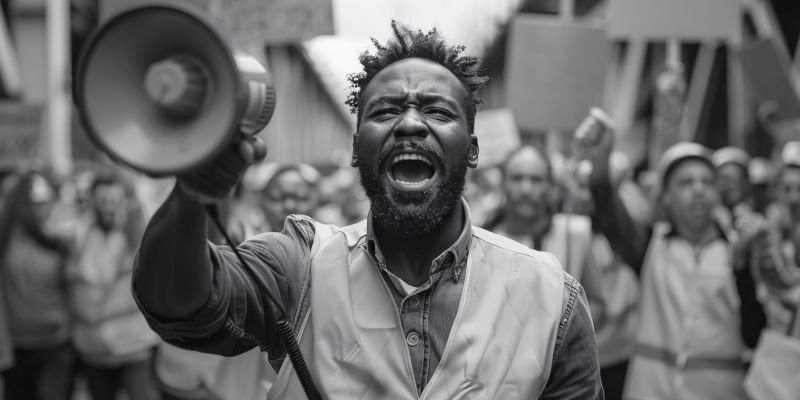
Yes, in measurable ways. Kenya’s youth-backed Finance Bill protests in 2024 successfully forced the government to withdraw a controversial tax bill, a rare case of youth mobilization directly reversing legislation.
What are the biggest barriers for young people entering African politics?
Funding, age restrictions in some constitutions, entrenched party systems, and in some regions, personal safety risks for those challenging incumbent power structures.
How can young Africans get involved in political leadership?
Many start through civic organizations, student unions, local council positions, or civic tech. Organizations like the African Youth Commission and various national youth parliaments offer structured entry points.