
Turning Economic Empowerment Into a Lifelong Mission!
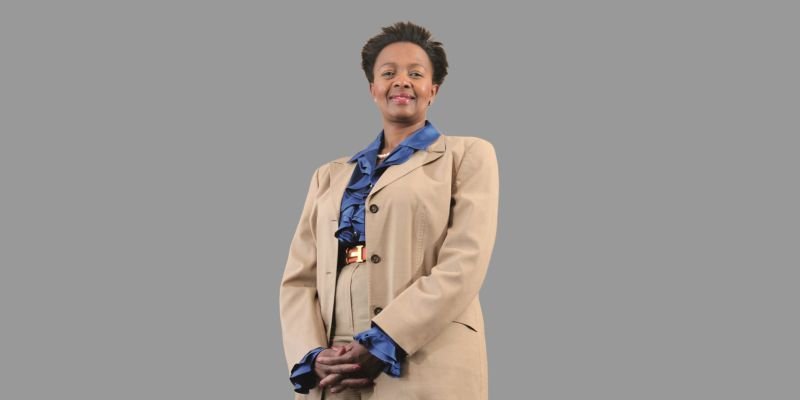
Change rarely begins with grand speeches. More often, it begins with someone asking a quiet question that others hesitate to voice. Who gets access to opportunity, and who continues waiting outside the room? For Wendy Luhabe, that question shaped an entire career dedicated to shifting economic power towards people who had spent generations watching decisions made without them.
South Africa entered democracy carrying enormous hope alongside deep inequality. Markets opened, companies expanded, and new possibilities appeared across industries. Yet many women, especially Black women emerging from decades of exclusion, still faced closed doors when it came to ownership and investment. Luhabe recognised early that participation mattered as much as opportunity itself. Employment alone could never rewrite economic history. Ownership could.
Her work since then has centred on one simple ambition. Enable women to become investors, leaders, and decision makers within the economy rather than observers standing at its edges.
Creating Space Where None Existed
Before entrepreneurship entered her life, Luhabe spent years building experience inside corporate environments, including roles connected to marketing and international business. Those years gave her a close view of how organisations selected talent and shaped leadership pipelines.
South Africa during the late apartheid and early transition years presented enormous barriers for Black professionals attempting to enter corporate structures. Skills existed. Ambition existed. Systems designed to absorb that talent struggled to adapt quickly enough.
In 1991 she founded Bridging the Gap, a consultancy focused on preparing young Black graduates for professional workplaces while helping companies integrate diverse talent effectively.
The idea reflected practicality rather than symbolism. Economic transformation required preparation on both sides. Individuals needed confidence and exposure. Institutions needed understanding and willingness to change.
That early venture revealed something important. Training alone could improve access to employment, though wealth creation required a deeper shift.
Turning Women Into Investors
Two years later, she helped launch Women Investment Portfolio Holdings, a move that altered the conversation around women and finance in South Africa. At a time when investment ownership largely excluded women, the initiative allowed them to participate directly in major economic ventures.
The step carried courage. Few precedents existed. Financial institutions remained cautious. Many questioned whether women investors could mobilise capital at scale.
The results spoke loudly. Women gained collective ownership stakes and visibility within industries previously dominated by established networks.
Luhabe later strengthened that vision through the creation of one of South Africa’s earliest private equity funds dedicated to women owned enterprises. The fund provided both capital and business intelligence, addressing a gap that many entrepreneurs quietly faced. Ambition alone rarely secures growth when financing remains inaccessible.
Her approach focused on sustainability rather than charity. Investment demanded accountability, strategy, and measurable outcomes. Entrepreneurs received mentorship alongside funding, allowing businesses to mature rather than struggle through isolation.
For many women entering entrepreneurship during the country’s early democratic years, access to capital represented the difference between possibility and permanence.
Leadership Across Boardrooms
The boardroom wanted her expertise as her power reached new heights. She dedicated her professional life to board positions from three decades and worked as chairperson and non-executive director in telecommunications manufacturing finance education and global luxury sectors.
Her most significant work developed strong corporate governance systems. The organisations that required transformation need leaders who can achieve growth while maintaining their organizational obligations. She worked for both public and private organizations to develop executive succession plans and to manage sustainability initiatives and risk assessment processes.
The tasks required that he make precise evaluations. South African companies needed to implement new technologies while meeting societal demands that related to their past unjust treatment of people. Investors sought to achieve financial gains. The communities demanded equitable treatment.
Luhabe defined leadership through values which he considered more important than positional power. She established ethical leadership as the primary requirement for regaining public trust between South African institutions and citizens during her analysis of the nation’s future direction.
Her message reached a large audience because it established a connection between economic development and ethical obligations.
Education as a Long Game
Economic empowerment begins before board appointments and investment portfolios come into existence according to her perspective.
Mentorship and education became central pillars of her work.
The Wendy Luhabe Foundation receives educational support through the profits from her book Defining Moments which examines how Black executives experienced corporate life in South Africa.
The decision reflected personal understanding of how exposure shapes ambition.
Education accessibility enables people to create multiple opportunity pathways which will benefit future generations.
She held the position of Chancellor at the University of Johannesburg while participating in international academic advisory boards which fostered professional development through business executive interactions.
Students who encounter her philosophical teachings receive an unchanging message about her core principles.
Leadership requires people to demonstrate both courageous behavior and empathetic understanding.
People who achieve economic success must fulfill responsibilities to those who will come after them.
Entrepreneurship as Nation Building
Your training material extends until the month of October in the year 2023. The majority of business leaders direct their attention towards corporate expansion yet Luhabe used grassroots entrepreneurship as a method for creating social progress. Mama Mimi’s functions as a bakery network which supports people to launch their own businesses using minimal funds for initial expenses.
Through this system, business owners can produce bread products which generate constant revenue for their local markets. Her model demonstrates that people achieve economic empowerment through their ability to uphold their personal dignity while maintaining financial independence.
The country of South Africa currently experiences ongoing issues with youth unemployment rates. Micro enterprise initiatives provide effective solutions which businesses can implement in different areas throughout the country. Luhabe views entrepreneurship as a discipline which serves business purposes.
The practice establishes a method through which people can rebuild their self-assurance in communities that endured economic exclusion.
A Global Voice With African Roots
Her influence extends well outside national borders.
The work she has done has received multiple recognitions from international organizations. She has worked as a trustee for the Duke of Edinburgh’s International Award Foundation which brought her British Royal Family honors.
International conferences bring her to share her views about leadership, democracy, and development. The World Economic Forum and other institutions recognized her as a pioneer who created economic empowerment programs to help women entrepreneurs succeed in business.
Her international recognition does not change her belief that Africa must determine its own path to future development. She frequently discusses social entrepreneurship as a powerful force that creates economic change and improves ethical leadership practices. Lasting prosperity requires more than just aid. Communities need to create their own solutions through innovative methods and honest practices.
Young African leaders who want to create independent solutions find strong support for their views.
Influence That Continues to Evolve
Recent years have seen Luhabe remain active across governance roles and mentorship platforms while contributing to conversations about sustainability and responsible capitalism.
Her service on global corporate boards and advisory institutions reflects continued trust in her judgement during a period when businesses face growing expectations around environmental and social responsibility.
At the same time, she maintains strong engagement with inter generational dialogue, encouraging younger entrepreneurs to participate actively in shaping Africa’s economic narrative.
Economic empowerment, in her philosophy, never reaches completion. Each generation inherits unfinished work.
A Legacy Built Through Opportunity
Many careers build influence through titles. Luhabe’s legacy emerges from access created for others.
Women entering investment spaces during the 1990s carried new confidence because collective ownership became possible. Entrepreneurs launching small enterprises found mentorship alongside funding. Students discovered leadership models shaped by integrity rather than status.
Her work demonstrates how economic transformation often begins quietly through structural change rather than public applause.
South Africa continues navigating inequality, unemployment, and questions about ethical leadership. Solutions rarely appear overnight. They develop through consistent effort sustained across decades.
By turning empowerment into investment, and investment into opportunity, Wendy Luhabe helped reshape how participation in the economy could look for women across her country and across the continent.
In doing so, she offered a powerful reminder. True leadership leaves open doors where others once found walls.