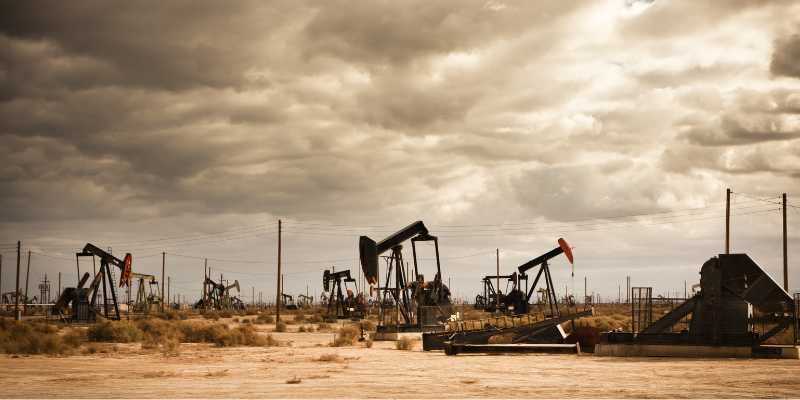
A Singapore-based energy company has made a discovery that could change the economic trajectory of Benin’s offshore petroleum sector. Tests on a well in the Sèmè field in West Africa have confirmed a 950-million-barrel oil reservoir. This is one of the most significant finds in the region in years, and it could revive interest in an asset long perceived as marginal.
For nearly three decades the Sèmè field lay dormant. Between 1982 and 1998 it produced roughly 22 million barrels of oil before operations were shut due to low prices and technical challenges. The recent discovery reverses that narrative. It suggests that modern technology and capital can unlock value once thought unreachable.
What makes this find notable is the size of the reservoir and the technology used to delineate it. Early petrophysical data show rock porosity above 19 percent and oil saturation above 70 percent, clear indicators of a commercially viable deposit. That is a strong start for a field that, until recently, had not attracted major upstream investment.
The project is being led by Akrake Petroleum, which is linked to Singapore-listed Rex International Holding. Under a production sharing contract, Rex holds a 76 percent stake, the Beninese government has 15 percent, and Octogone Trading holds the remaining 9 percent.
The oil well uses autonomous inflow control valves (AICVs) to achieve sand management and unwanted water entry control which enables efficient operational processes. The company plans to install a downhole electrical submersible pump (ESP) system that will enhance flow capacity after operations commence. The combination of these advanced technologies demonstrates how offshore oil platforms operate under more difficult conditions in modern reservoir development.
Initial production estimates show that production will begin at 15,000 to 16,000 barrels per day. The continuous production of this amount will create substantial income for Benin while bringing in investment for supply chain operations which include logistics and field maintenance work. The effects on the economy extend beyond the quantities of crude oil produced.
The oil production of Nigeria and Angola leads West Africa while Benin has not produced any significant crude oil output during the past few years. The Sèmè field revival project brings the potential to transform Benin into a minor yet essential oil production hub located in the Gulf of Guinea area which currently supplies energy to major global markets.
The research demonstrates that unexploited resources remain within West African basins which existed from earlier time periods. Organizations have developed new asset evaluation techniques through technological advancements that enable them to assess previously unviable assets. The Sèmè field resurgence will establish a new standard for other underdeveloped oil fields throughout Africa.
The advantages from oil discovery extend to multiple areas which benefit Benin. New export revenues can support infrastructure projects, public services, and economic diversification. The oil industry creates job opportunities for local residents who work as field technicians and onshore support staff.
Investors will observe the situation with great interest. Increased foreign direct investment will follow if the field achieves its initial production forecasts which will enhance Benin’s energy capacity. The community will benefit from economic advantages only if the revenue stream maintains stable and transparent governance.
The Sèmè discovery proves that hydrocarbon resources maintain their importance within current energy transition processes which influence national fossil fuel policies. The West African discovery will become a commercial success which drives economic development for the nation that has operated outside the oil sector.