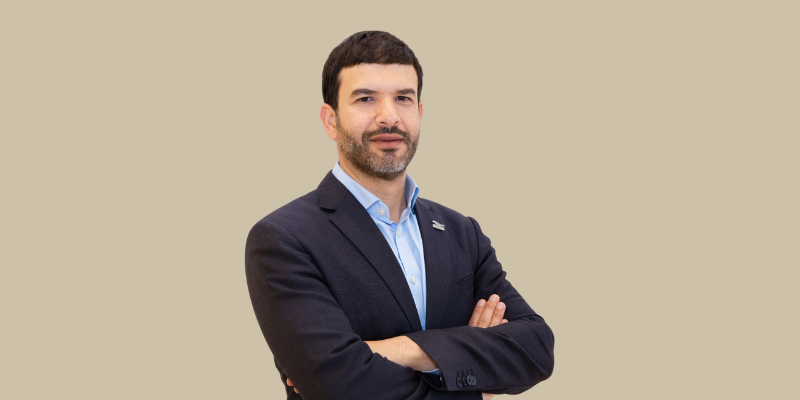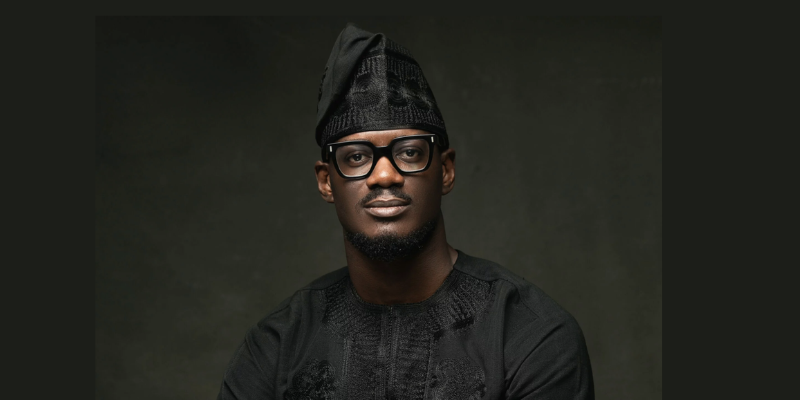
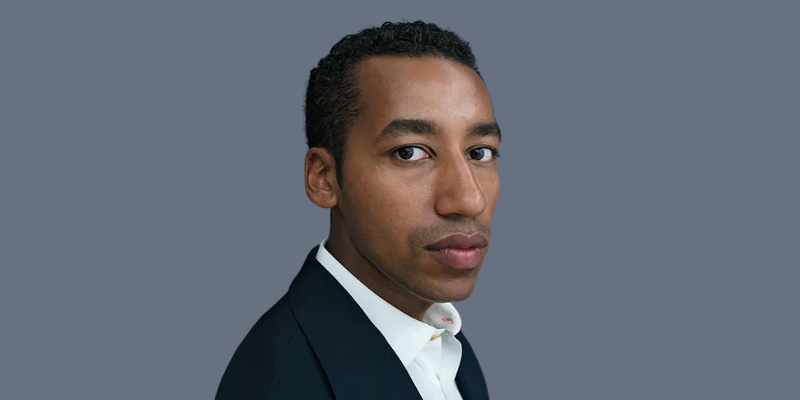
At Tate Modern, one of the world’s most influential museums, Osei Bonsu holds a role that blends cultural leadership with strategic decision-making. As the Jorge M. Pérez Senior Curator of International Art, Africa and the Diaspora, he guides how African and diaspora art is positioned within a global museum ecosystem.
His work spans exhibition direction, long-term collection development, and curatorial research, each requiring a sharp balance of creative clarity and institutional strategy. In a space where relevance is built through decisions that last decades, Bonsu brings both vision and precision to what Tate collects, commissions, and presents to the public.
In many ways, his role functions like a business leadership position. Every exhibition is a product launch. Every acquisition strengthens a portfolio. Every public display builds brand trust, cultural authority, and audience loyalty.
Building a global programme with measurable impact
Curating at this scale demands more than a strong eye. It calls for an understanding of public engagement, cultural accountability, and international networks. Bonsu works at the intersection of scholarship and audience growth, ensuring Tate Modern’s programme reflects global creativity with depth and purpose.
Over the years, he has played a key role in shaping landmark exhibitions and commissions that highlight the richness of contemporary African practice and its global influence. These projects do more than showcase art. They generate conversation, bring new audiences into the museum, and position Tate as a serious institution for international perspectives.
His programme decisions contribute to visibility, prestige, and global relevance, all essential assets for a museum operating in a highly competitive cultural economy.
Landmark exhibitions that redefine how audiences see Africa
Bonsu’s exhibitions reflect an approach rooted in research, storytelling, and cultural intelligence. His curatorial choices expand the idea of modernism, identity, and artistic legacy, while keeping audiences engaged through thoughtful presentation and strong thematic direction.
Among the major projects he has organised:
- A World in Common: Contemporary African Photography (2023), a wide-ranging showcase that strengthened global recognition for contemporary African photography and its evolving visual language.
- El Anatsui: Behind the Red Moon (2024), a major exhibition that brought renewed attention to one of the most celebrated artists connected to Africa’s contemporary art movement.
- Nigerian Modernism: Art and Independence (2025), an ambitious exploration of artistic development alongside political transformation, offering audiences a new lens into Nigerian cultural history.
Each exhibition functions as a powerful statement: Africa’s artistic output belongs at the centre of global cultural leadership, not at the margins.
Strengthening Tate’s collection as a long-term investment
A museum collection is more than a set of objects. It is an institution’s long-term credibility. Bonsu has played a key role in strengthening Tate Modern’s international collection of African and diaspora art through significant acquisitions.
This work requires a portfolio mindset. A strong acquisition strategy involves identifying future-defining artists, developing representation across regions, and ensuring the collection reflects both historical depth and contemporary relevance.
Beyond acquisitions, Bonsu has contributed to increasing impact through collection displays. That step matters because visibility drives value. When works enter public rotation, they gain critical attention, academic engagement, and cultural imprint. Museums shape art history through what they choose to show repeatedly, across years and decades. Bonsu’s influence in this space ensures African and diaspora narratives remain visible, respected, and fully integrated within Tate’s wider framework.
The writer and researcher shaping cultural narratives
Bonsu’s leadership extends beyond exhibitions and acquisitions. He is also a prolific writer and researcher, known for essays, interviews, and publications that map cultural movements with clarity and authority.
His work includes the landmark survey African Art Now, a publication that plays a major role in informing how audiences, institutions, and collectors understand modern and contemporary African art. In a global art economy driven by visibility and legitimacy, writing often functions as a strategic tool. It defines narratives, influences perception, and builds intellectual equity around artists and movements.
Bonsu’s scholarship engages deeply with postcolonial approaches to history-making and the development of global and transnational modernisms. He carries a clear emphasis on artists from Africa and the Global South, expanding the idea of modernism through multiple geographies, languages, and lived experiences.
Recognition that reflects authority and trust
Influence in the art world is built through consistency, credibility, and impact. Bonsu has earned recognition that signals strong international standing and leadership.
In 2020, Apollo Magazine named him among the leading African voices in the art world, placing him in a category of professionals shaping the future of international art discourse. In 2023, he received the Visionary Initiatives in the Visual Arts (VIA) Fellowship, reflecting trust in his ability to lead meaningful cultural programmes with long-term relevance.
These recognitions highlight a professional profile defined by more than success. They point to authority, thought leadership, and an ability to shape institutions from within.
Advisory roles that extend global reach
Bonsu’s role in cultural leadership also includes advisory board participation and involvement in international committees. He sits on boards linked to organisations such as the Contemporary Art Society and the Artes Mundi Prize, reinforcing his position as a decision-maker shaping how art is supported, awarded, and circulated globally.
These networks matter because influence travels through ecosystems, not individual achievements. Through advisory and committee work, Bonsu contributes to wider cultural policy, institutional direction, and artist opportunities, strengthening the larger framework that supports international art practice.
A curator defining the next chapter of global modernism
Osei Bonsu represents a new kind of cultural leadership, where art, research, strategy, and global relevance operate together. At Tate Modern, he continues to shape the museum’s international direction with programmes that reflect depth, ambition, and future-facing thinking.
His work proves that curating holds the same importance as leadership in any high-impact industry. It involves making bold decisions, backing meaningful ideas, and creating platforms that change how people see the world. And in the process, Bonsu continues to define Africa’s place within global modernism, with authority, purpose, and lasting impact.