A New Director-General With a Clear Cultural Mandate
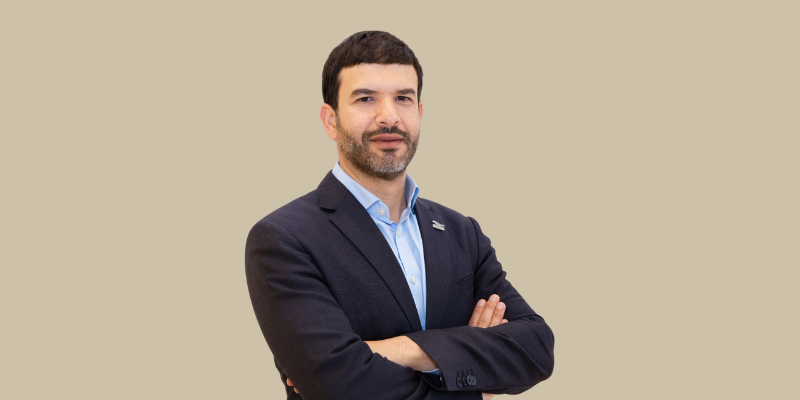
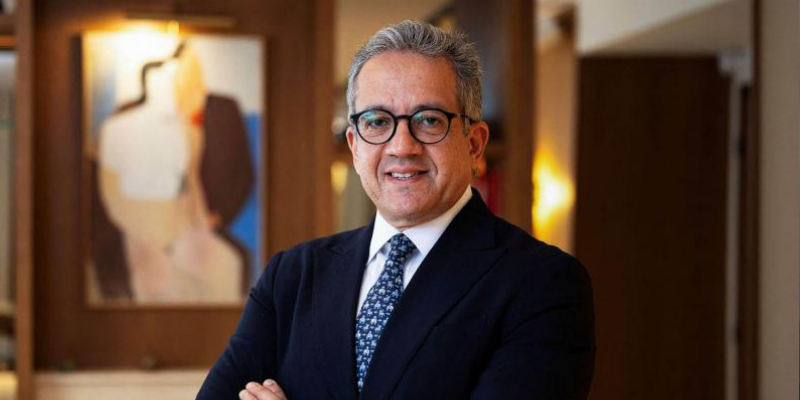
In November, Khaled Ahmed El-Enany Ali Ezz was elected as the 11th Director-General of UNESCO, the United Nations body responsible for advancing education, science, and culture across the world. His appointment signals a decisive shift toward leadership shaped by heritage management, institution-building, and cultural diplomacy.
El-Enany arrives with the profile of a practitioner, with deep experience in protecting history while turning it into a living economic asset. As an Egyptologist and former leader of Egypt’s most prestigious museums, he steps into UNESCO at a time when culture is no longer treated as a soft topic. For governments and investors, cultural heritage has become a strategic lever for tourism, national brand value, foreign partnerships, and sustainable development.
From Scholar to Builder: A Career Rooted in Cultural Institutions
El-Enany’s career reflects both scholarship and operational leadership. He previously served as director of the National Museum of Egyptian Civilisation and the Egyptian Museum in Cairo, managing institutions that sit at the heart of Egypt’s identity and global influence.
His reputation, however, has been shaped by execution at national scale. Between 2016 and 2022, he served as Egypt’s Minister of Tourism and Antiquities, guiding a sector that carries enormous weight for the country’s economy, employment, and international perception.
Heritage leadership at this level requires more than knowledge of artefacts. It demands financing, infrastructure planning, crisis recovery capability, and strong coordination across government, private partners, and international stakeholders.
El-Enany’s track record shows a rare combination: technical credibility with the authority to deliver large projects in the real world.
The Grand Egyptian Museum: A Landmark With Global Economic Meaning
Among his most significant achievements is his role in securing major funding to support the completion of the Grand Egyptian Museum, located near the Giza Pyramid Complex. The scale of this project is historic. It is widely regarded as the largest museum in the world dedicated to a single civilisation.
The museum was officially opened to the public by President Abdel Fattah El-Sisi in November, cementing its status as one of Egypt’s strongest post-pandemic national investments in culture-led economic revival.
For Egypt, the Grand Egyptian Museum is far more than a tourist site. It is a brand symbol. It strengthens the country’s positioning in global cultural tourism and signals that Egypt is serious about protecting heritage while modernising how it is experienced.
In business terms, it represents a long-term asset: driving visitor flows, strengthening hospitality ecosystems, and increasing global interest in Egypt as a premium destination for history, art, and education.
Rebuilding Cultural Confidence After the Covid Era
Cultural tourism has faced volatility since Covid, with changing travel patterns and shifting consumer expectations. Egypt’s strategy has been clear: rebuild trust, upgrade experiences, and restore its place among the most sought-after cultural tourism destinations globally.
El-Enany’s work has supported that ambition with visible progress. Instead of limiting recovery to marketing campaigns, he reinforced the foundation: infrastructure, restoration projects, and globally resonant cultural storytelling.
This approach matters because cultural tourism thrives when authenticity and experience quality rise together. Strong heritage management reduces risk. It improves visitor confidence. It also creates sustainable revenue that benefits communities beyond large cities.
Iconic Renovations That Strengthen Cultural Equity
El-Enany’s leadership also stands out for restoring key cultural sites that represent different layers of Egyptian heritage.
He oversaw the renovation of the Baron Empain Palace, an architectural landmark that carries deep historical significance. He also guided restoration efforts for the Eliyahu Hanavi Synagogue, demonstrating a broader view of heritage that respects cultural diversity and protects memory across communities.
These projects send an important message in international cultural policy: preservation is not selective. Heritage is a shared investment. When nations protect diverse landmarks, they strengthen social cohesion and international credibility.
This is also aligned with UNESCO’s larger purpose, where cultural protection intersects with human rights, community identity, and global education.
Turning Heritage Into Global Moments
El-Enany also proved he understands the value of cultural events that capture global attention.
Projects such as the Pharaohs’ Golden Parade created a modern template for heritage storytelling. It transformed history into an international spectacle while preserving dignity and meaning. It also helped position Egyptian culture as dynamic, relevant, and world-class in presentation standards.
Another high-profile success was the reopening of the restored Avenue of Sphinxes in Luxor, a project that revived one of Egypt’s most extraordinary historical pathways. These moments are not only ceremonial. They serve as strategic marketing, national pride-building, and tourism activation tools.
For a country that relies heavily on tourism as an economic engine, this kind of cultural performance becomes a growth strategy.
UNESCO Leadership: Culture as Influence, Influence as Growth
As UNESCO Director-General, El-Enany takes responsibility for global cultural stewardship at a time when heritage faces growing threats: conflict, climate impact, urban pressure, and looting.
His leadership brings a practical advantage. He understands how heritage preservation works on the ground, including the funding complexities, political coordination, and public engagement required to protect cultural assets.
This matters because UNESCO’s effectiveness depends on execution, trust, and credibility across nations. El-Enany’s career has been built in environments where outcomes matter and delays carry reputational cost.
His global platform will allow him to push stronger cultural protection strategies while also strengthening education, science, and heritage collaboration across regions.
Africa’s Cultural Reputation Gains a Strong Global Voice
El-Enany’s election strengthens Africa’s position in global cultural leadership. The continent has always held extraordinary cultural wealth, yet global narratives have often failed to reflect its depth.
With El-Enany at UNESCO, Africa gains a leader who has spent years turning heritage into an engine of pride and economic value. His record reflects a belief that culture is not decoration. Culture is infrastructure.
There is strong reason to expect that under his stewardship, UNESCO will amplify Africa’s growing reputation as a cultural treasure-house, while expanding pathways for investment, preservation funding, and global partnerships that serve future generations.
A Director-General Built for Cultural Diplomacy With Results
El-Enany’s story is ultimately about scale and substance. He has delivered major projects, elevated national institutions, and helped reposition Egypt’s cultural tourism at a time when the world was rebuilding travel confidence.
As he steps into UNESCO, he brings the credibility of someone who has managed heritage under pressure and delivered outcomes that the world can see.
For UNESCO, for Africa, and for the global cultural economy, Khaled El-Enany represents a new kind of leadership: rooted in history, designed for progress, and driven by execution.