
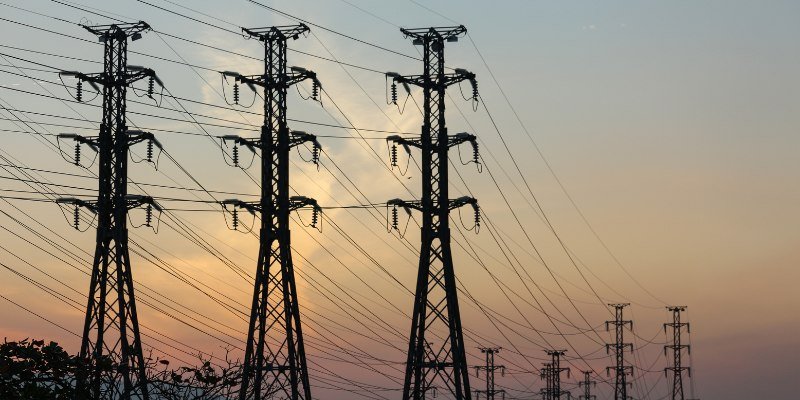
The utility company needs to solve its ongoing issue with power loss. The most recent assessment shows that electricity theft and technical inefficiencies and commercial errors cost 21.7% of electricity which marks an improvement from earlier years.
Electricity losses occur when a utility fails to bill customers for all power that the utility either purchases or generates. High loss levels create significant financial difficulties for utilities which results in increased service costs for their customers. The grid system in Kenya has encountered three main problems which include rising demand and deteriorating infrastructure and unauthorized network connections that resulted in power losses throughout its history.
The network upgrades together with smart meter installation and strict enforcement against illegal meter usage resulted in the lowest drop to 21.7% which marks the lowest point reached in several years. Smart meters enable utilities to monitor power usage with greater accuracy which helps them minimize billing mistakes while preventing theft at residential and business locations.
The Kenyan government wants to decrease its financial losses through a power sector strategy which will improve both operational reliability and economic performance of its electricity system. The national utility can increase its revenue stream through two methods which include decreasing energy losses that happen before reaching paying customers and through its system improvement projects.
The electricity sales increase shows that more customers and businesses are connecting to the formal power grid which results in reduced energy losses. The loss figure remains above the targets which regulators and electricity planners established. The ongoing development of the system needs continued spending on infrastructure and enforcement actions which include installing new advanced metering systems and anti-theft protection devices.
Electrical experts confirm that system loss reductions lead to environmental advantages because efficient power grids need less capacity and produce fewer carbon emissions during electricity generation. Waste reduction and efficiency improvement efforts become critical for Kenya which seeks to extend its power network to remote regions while increasing its use of renewable energy.
The current data indicates that electricity providers are making important progress towards building a more sustainable power grid which serves as an essential requirement for driving economic expansion and industrial progress and delivering better consumer services.