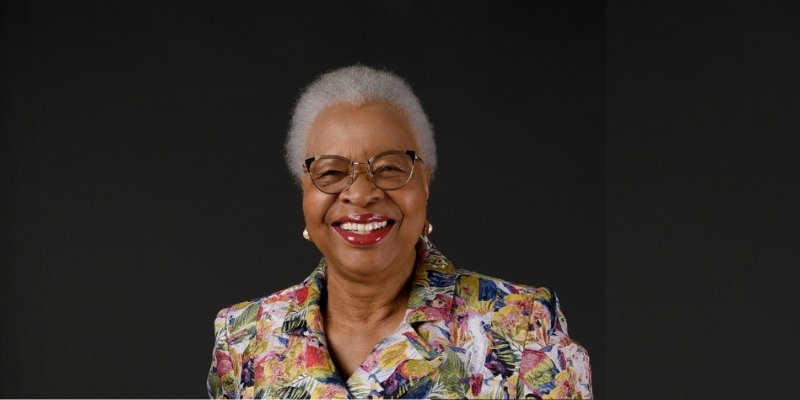
Graça Machel has been a pioneering figure in leadership not only in Africa but also in other continents. Born in Mozambique in 1945, she started her career in the education sector, and later on, the first Minister of Education and Culture of her newly independent country.
Machel’s vision was to substantially increase the number of students in schools, grant access to both genders, and wipe out illiteracy. She was not only an educator but also a visionary leader who believed in the power of education to transform society.
In her early work, she not only set the stage for national development but also indirectly spread the message of humanity, acceptance, and impact that was even to grow in the whole world.
Machel’s public service and advocacy have gone beyond the borders of her country and have been recognized worldwide as making her one of the most prominent advocates for women’s and children’s rights.
Machel has been given many high-level positions in UN and other international institutions, she has written pivotal reports, such as the one done for UNICEF on the impact of armed conflict on children, and has been a major force in the shaping of global policy that emphasizes human development.
A Strategic Vision for Africa
Machel’s leadership extends from government to global civil society. She is a founding member and Deputy Chair of The Elders, a group of seasoned leaders working for peace, human rights, and sustainable development.
She also co-founded Girls Not Brides, a global partnership aimed at ending child marriage and enabling girls to fulfil their potential, a milestone added to the Sustainable Development Goals as target 5.3 for elimination by 2030.
In 2010, Graça Machel founded the Graça Machel Trust, an organization committed to transforming the social and economic landscape of Africa. The Trust advocates for women’s economic and financial empowerment, food security, nutrition, education for all, good governance, and youth leadership. Its programming engages governments, communities, and private sector partners to strengthen systems that expand opportunity and protect human rights.
For a business audience, her approach stands out for its strategic integration of advocacy with measurable outcomes. The Trust does not operate in isolation; it works across sectors to build environments where women and children can thrive. It advances gender-responsive investments, fosters leadership networks, and influences policy dialogues in ways that align social progress with economic development.
Governance and Institutional Impact
Machel’s influence is not limited to advocacy alone. She has served on the boards and leadership teams of major international organizations, including the Partnership for Maternal, Newborn & Child Health, the African Centre for the Constructive Resolution of Disputes, and the Mo Ibrahim Foundation.
She also holds honorary and governance positions with universities and global foundations, blending her passion for education with a pragmatic focus on institutional governance and accountability.
Her career exemplifies the power of credible leadership in shaping durable institutions, a lesson that resonates deeply in business circles. Machel’s work demonstrates how long-term investment in human capital and governance frameworks can produce both social benefits and economic resilience.
Recognition and Legacy
The impact of Graça Machel’s work has been acknowledged globally with prestigious honours, such as the United Nations’ Nansen Medal for her humanitarian contributions and the World Health Organization Gold Medal for advancing women’s and children’s health. Accolades like these reflect decades of effort not just to generate awareness, but to drive policy change and catalyse practical solutions to entrenched societal challenges.
For business leaders, her journey illustrates a fundamental truth: meaningful change often begins with systems that recognise the innate potential within communities. Whether through improving education, strengthening governance, or advocating for inclusive economic policies, Machel’s work highlights how strategic leadership, informed by experience, empathy, and evidence, can unlock human and economic potential across Africa.
Her legacy continues to shape global conversations on development, equity, and innovation, offering a model of leadership that bridges humanitarian values and practical impact with strategic, measurable outcomes.