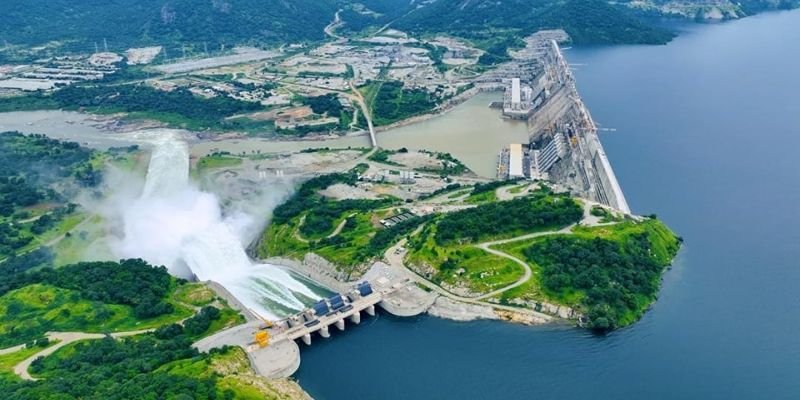
Ethiopia pushed back firmly after Donald Trump suggested that the United States had financed the continent’s largest hydroelectric project. The claim prompted a swift public denial from the government in Addis Ababa and renewed debate across the Nile basin about facts, narrative, and regional politics.
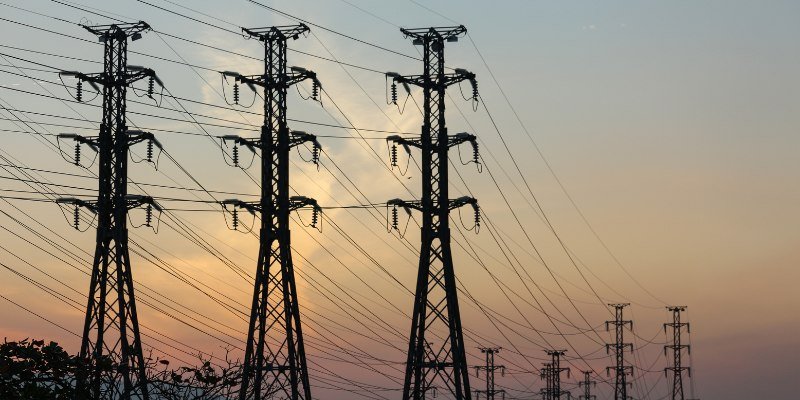
At the heart of the row is the Grand Ethiopian Renaissance Dam. The project spans the Blue Nile and is designed to generate several gigawatts of electricity, part of Ethiopia’s push to end chronic power shortages and export clean energy to neighbours. Official figures put the dam’s installed capacity in the multi-gigawatt range and the total cost in the low billions of US dollars. Those numbers matter because they make clear why funding and ownership are not trivial claims.
Ethiopia says domestic resources covered the lion’s share of the bill. The government points to an extended public campaign of bonds, salary contributions and local fundraising that, officials say, underpinned construction. A significant equipment contract for turbines and electrical gear did involve external credit lines, but Addis Ababa has repeatedly insisted that the main financial burden fell on Ethiopians themselves rather than the US taxpayer. That financing story runs against the narrative advanced by critics who suggest foreign governments quietly bankrolled the dam.
The timing of the denial is sensitive. The dam has been a flashpoint with Egypt and Sudan, both of which fear that altered Nile flows could hurt agricultural output or disrupt water management downstream. International mediators, including African Union channels and occasional third-party offers to broker talks, have failed to deliver a lasting, legally binding agreement acceptable to all parties. For Egypt and Sudan, assurances about reservoir operations and drought protocols are the priorities; for Ethiopia, energy sovereignty and economic development are the priorities.
Prime Minister Abiy Ahmed and other officials framed the response as an effort to correct the record. They emphasised that misinformation complicates diplomacy and risks inflaming public opinion in a tense region. The statement also served a domestic purpose: to remind citizens and investors that the dam is an Ethiopian achievement formed largely through national will.
Facts matter in diplomacy. False or exaggerated financing claims change the terms of debate and can make negotiation harder. If leaders want to reduce regional friction, they must stick to verifiable details about funding, operation and risk-sharing. That will not solve every dispute, but it will give negotiators a factual foundation from which practical, technical solutions can be built, and that is what the Nile basin needs now.