How Ethiopian Investment Holdings is turning public assets into investable growth!
In a year when Africa’s big economic stories have been shaped by inflation shocks, foreign exchange pressures, and cautious investor sentiment, Ethiopia has produced a different kind of headline: the rise of a sovereign investment platform that is not only ambitious, but also structured to last.
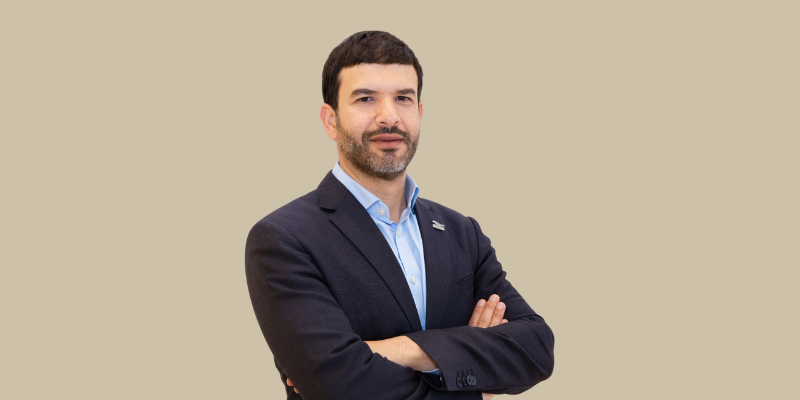
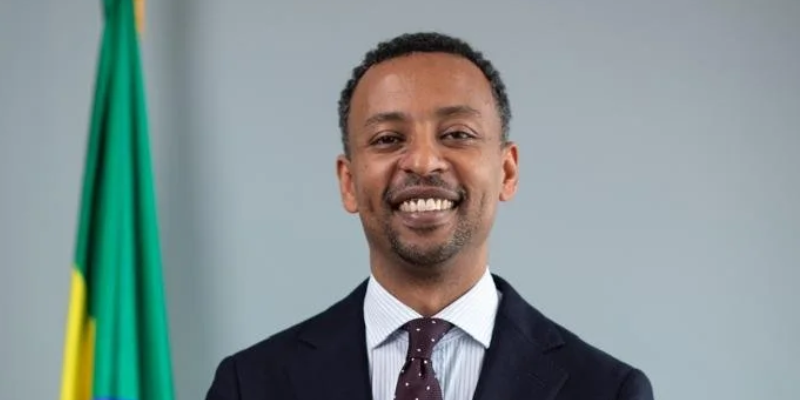
At the centre of that shift is Dr Brook Taye, CEO of Ethiopian Investment Holdings (EIH), the country’s sovereign wealth and strategic investment arm. Appointed to lead the institution in 2024, Taye has rapidly turned EIH into one of the most closely watched models of modern state capitalism on the continent.
What makes EIH stand out is not just its scale, but its intent: unlock dormant state value without repeating the mistakes of chaotic privatisation that many developing economies still regret. Instead of selling off national assets cheaply for short-term relief, the strategy is sharper and more deliberate: strengthen governance, fix legacy inefficiencies, invite capital through partnerships, and grow enterprise value before making any major market moves.
That is not ideology. That is discipline.
EIH: A Sovereign Fund Built to Do More Than Hold Assets
Unlike traditional holding structures that simply manage state stakes, EIH is being shaped as a growth engine with a national mandate. It is positioned as Ethiopia’s strategic vehicle for driving long-term development by managing and upgrading public commercial assets, while attracting investment into key sectors.
EIH describes itself as “Africa’s largest sovereign wealth fund,” with a mandate focused on high-impact investments, transparency, and value creation across sectors.
That positioning has become central to Ethiopia’s wider liberalisation agenda. Investors are no longer just asking whether the country is open to business. They are asking whether Ethiopia can structure opportunity in a way that is commercially credible, governed well, and scalable.
Taye’s leadership is increasingly being read as an answer to that question.
Reform Over Fire Sales: The Strategy That Investors Understand
The word privatisation often triggers anxiety. For governments, it can mean political risk and public backlash. For investors, it can mean uncertainty and volatility. For citizens, it can look like the loss of national wealth.
Brook Taye has been clear that the goal is not to rush into asset sell-offs, but to make state-owned enterprises commercially viable and investable. In interviews and coverage of his leadership approach, the message is consistent: the priority is reform, modern management, and disciplined market engagement.
This approach carries a deeper logic. When governance is weak, the valuation of state assets suffers. When operations are inefficient, cash flows shrink. And when investor confidence is low, strategic assets get sold at discounts.
EIH’s model flips that sequence.
First, improve governance. Then fix performance. Then attract partnerships. Then unlock value.
That order matters.
Landmark Deals Across the Real Economy
What truly pushed EIH into continental conversation is the pace at which it started converting potential into transactions.
Under Taye, EIH has announced a string of partnerships and joint ventures across logistics, real estate, telecoms, and agriculture, aimed at unlocking billions in state-held value and bringing in private capital without losing public accountability.
This matters because these are not “headline sectors” alone. These are the infrastructure layers of a functioning economy:
- Logistics determines how fast goods move.
- Real estate impacts urban development and investor confidence.
- Telecoms drives productivity and digital inclusion.
- Agriculture anchors employment and food security.
A sovereign investor that can coordinate across these sectors does something most institutions cannot: it reduces fragmentation in national development planning. It connects projects to capital, and capital to execution.
Governance as a Growth Lever, Not a Compliance Exercise
Many investment institutions treat governance as a requirement. EIH is increasingly treating governance as a competitive advantage.
Recent coverage highlights EIH’s push for governance and leadership reforms across its portfolio companies, signalling a shift toward stronger accountability and commercially oriented management.
For investors, this is the difference between a country that asks for capital and a country that can deploy it responsibly.
Strong governance does three things at once:
- Protects national assets from misallocation
- Reduces risk for private partners
- Improves valuations for future strategic moves
This is also where EIH starts to look less like a traditional state body and more like a modern institutional platform.
Building Market Confidence Through Partnerships, Not Promises
Brook Taye’s credibility in capital markets is not accidental. Before leading EIH, he served as the Director General of the Ethiopian Capital Market Authority, and has been closely associated with Ethiopia’s wider reform agenda.
That background shows in how EIH communicates and structures partnerships. The tone is commercially aware. The direction is investment-led. The framing is long-term.
And when EIH speaks about partnerships, it is not simply about foreign money entering Ethiopia. It is about co-investment structures where private capital can participate while the state remains accountable to the public interest.
That balance is what makes other sovereign investors across Africa pay attention.
The Bigger Signal: Ethiopia’s Wealth Can Be Mobilised
Ethiopia’s long-term challenge has never been a lack of assets. It has been the ability to convert those assets into productive capital while maintaining stability and national benefit.
EIH offers a new pathway: mobilising wealth already inside the system.
With a growing portfolio and an expanding pipeline of infrastructure opportunities, Brook Taye has positioned EIH not as a passive owner of state enterprises, but as an active institution capable of shaping national economic outcomes through disciplined investment strategy.
For African governments watching closely, the lesson is simple but powerful:
You do not need to sell everything to grow.
You need to manage better, partner smarter, and compete harder.
A New African Model Taking Shape
Across Africa, sovereign investment vehicles are being reimagined. Some are being built from scratch. Others are being restructured for scale. But very few have managed to combine political legitimacy, investor confidence, and real-economy relevance at speed.
EIH is now entering that shortlist.
And Brook Taye’s impact is clear: he is showing how a government can modernise state capitalism without losing control of the national mission. Not through chaos. Not through discount sales. But through governance, competition, and partnerships that create durable value.
If Ethiopia’s next economic chapter is about investment-led transformation, then EIH is no longer a background institution.
It is the platform.