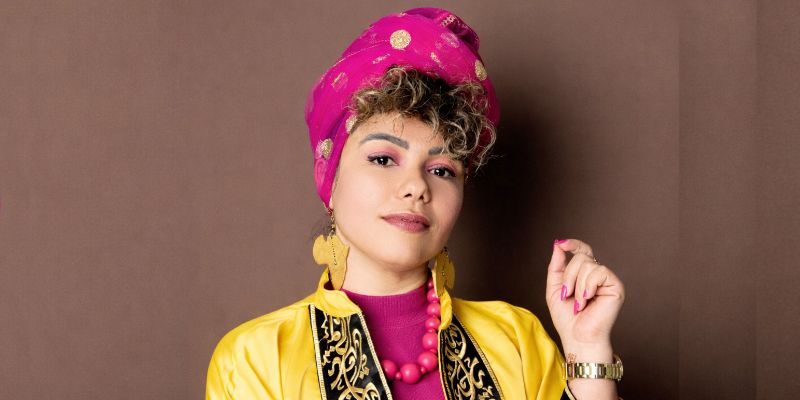
Aya Chebbi has turned into one of the most prominent figures in Africa regarding youth leadership, gender equity, and social change. She got her name during the Tunisian Revolution of 2010 and 2011 when she used her blog Proudly Tunisian for voicing democracy and civic engagement in a very restricted political expression period for the youth. Her participation in the protests was very powerful and she got immediately visible as a leader who was going to move from telecommunication into international relations.
Chebbi created a precedent in November 2018 by being the first African Union Special Envoy on Youth and the youngest diplomat in the African Union Commission Chairperson’s Cabinet, thereby making her move into the international diplomatic arena.
As soon as she entered her new role, she quickly became a leading player in determining how the African continent is going to be involving young leaders in making and taking policies. During her stay, she was the one to influence policies decision that are targeting the youth and eventually she was one of the ones who connected hundreds of thousands of young Africans with movement makers within governmental and civil society institutions.
Championing Youth in Policy and Practice
At the African Union, Chebbi’s approach was grounded in partnership and intergenerational dialogue. She pioneered the concept of intergenerational co-leadership to emphasize the importance of shared responsibility between youth and senior leaders. That concept extended beyond rhetoric into practical engagement, with Chebbi meeting more than 30 heads of state and influencing youth appointments and policy reforms across the continent.
Under her leadership, the Youth Silencing the Guns campaign became one of the African Union’s largest youth-driven initiatives, focusing on the peace and security agenda and contributing to the adoption of the Continental Framework for Youth, Peace and Security by the AU Peace and Security Council. These efforts helped elevate the role of young Africans in shaping peacebuilding strategies and national priorities.
Chebbi’s tenure coincided with global challenges like the COVID-19 pandemic, and she engaged millions of young people across Africa to share their perspectives and priorities during the crisis. Her work is documented in the Africa Youth Lead Policy Paper, a reflection of how youth engagement can be meaningfully integrated into continental policy discourse.
Building Movements Beyond Titles
Chebbi’s influence does not start or end with diplomatic postings. Long before joining the AU, she co-founded grassroots initiatives that built networks across Africa. The Afrika Youth Movement (AYM) became one of the continent’s largest youth-led platforms, connecting thousands of changemakers from over 40 countries to advance peace, leadership, and social justice.
She also established programs like Afresist, which trains the next generation of Pan-African peacebuilders, and Y-PHEM, a mentorship initiative focused on holistic empowerment for youth leaders. These platforms reflect her understanding that sustainable change comes from equipping people with skills, networks, and confidence to act.
Driving Gender Equity and Feminist Leadership
Chebbi’s work has extended deeply into gender advocacy. She founded the Nala Feminist Collective (Nalafem), one of Africa’s largest multigenerational alliances of women politicians and activists. This collective works to amplify women’s voices in political leadership and policy spaces, addressing structural barriers that often exclude women from decision-making.
Her contributions to gender advocacy and youth empowerment have earned her global recognition. She received the Bill and Melinda Gates Campaign Award and was named among Forbes Africa’s 50 Most Powerful Women, affirming her influence not just as an activist, but as a leader capable of shaping broad institutional change.
From Influence to Impact
Today, Chebbi continues to shape international development and advocacy discourse. She serves in roles such as United Nations Global Champion on Conflict-Related Sexual Violence and as a member of panels examining institutional responses to crises like the COVID-19 pandemic. Her insights are sought in humanitarian, health, and gender equality forums, reflecting the breadth of her impact beyond youth policy alone.
For business leaders and policymakers, Chebbi’s journey underscores the importance of inclusive leadership and cross-sector collaboration. Her career illustrates how youth engagement, gender equity, and purposeful advocacy can drive policy change and social innovation.
In a world where the median age in Africa hovers around 20, her work is not simply symbolic. It is strategic, a blueprint for how leadership that listens to young people can build more resilient, equitable economies and societies.