Africa continues to operate as a crucial source of energy for global markets because of its substantial oil reserves and its strategic geographic position and its evolving regulations which determine how businesses will spend money to develop their operational capacity. Libya holds the distinction of having the highest confirmed oil reserves among all nations in Africa, which establishes the continent’s essential role in the international energy market as it approaches the year 2026.
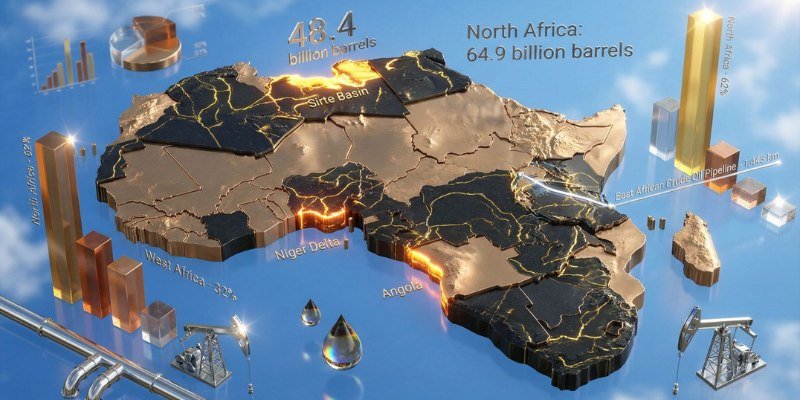
Libya holds proven oil reserves that reach about 48.4 billion barrels, which represents nearly half of Africa’s total petroleum reserves. Libya’s oil reserves place the country in approximately ninth position among all nations according to global oil reserve rankings. The existing reserves occur in geological formations that encompass the Sirte basin, Murzuq basin, and Ghadames basin, which have served as the basis for multiple decades of international trade activities and oil extraction operations.
The reserves represent approximately 7.5% of worldwide established oil reserves yet African countries impact international energy markets through their operational activities. The continent serves as an essential supply hub for European and Asian markets because it controls Atlantic and Indian Ocean shipping routes. Libya’s location near Europe enables faster and cheaper crude oil transit to Mediterranean refineries compared to other major oil-producing nations which makes Libya an attractive crude oil supplier.
Libya’s petroleum industry has encountered difficulties because of the political unrest which has existed since 2011. The historical investment climate faced challenges because of governance issues and oilfield shutdowns which prevented companies from accessing the region’s extensive resource base. The country keeps working to develop new international partnerships while expanding its existing production operations.
The recent agreements with TotalEnergies and ConocoPhillips will deliver more than $20 billion in investment which will boost output and extend the operational lifespan of essential oil fields. The deals demonstrate that Libya’s oil resources continue to attract interest because of their economic value which exists despite operational challenges.
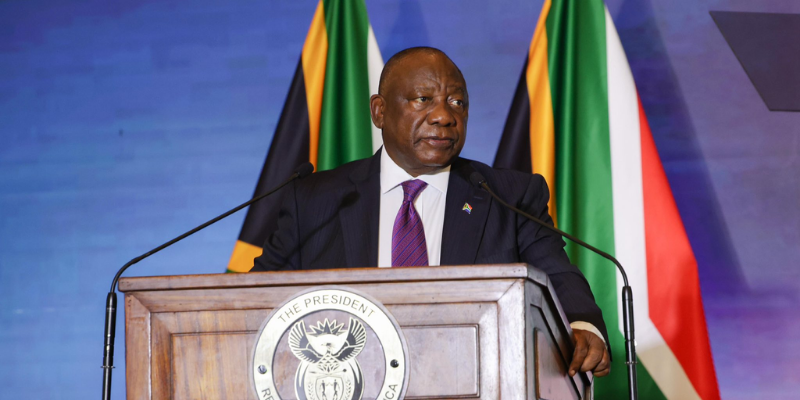
African countries are implementing new policies which help them attract investment to develop their petroleum resources. The South African government established the Upstream Petroleum Resources Development Act (UPRDA) which functions as a regulatory system that replaces outdated mineral-based regulations with unified oil and gas exploration laws.
The act provides multiple benefits to international investors by establishing clear licensing guidelines which define exploration and production rights and build a central regulatory system for mineral resource management.
The legal structure needs improvement because it supports African countries which produce oil to develop their resources while maintaining environmental protection and long-term economic benefits. Libya can become a long-term oil supplier and a competitor to other traditional exporters because of its vast oil reserves and current efforts to grow its gas export capacity, which will happen when political stability returns.
Strategic petroleum foundations in Africa are not just about how much oil is in the ground. They are about how countries manage their resources, attract investment, and integrate into global supply chains. With Libya anchoring the continent’s reserve base and regulatory reforms emerging elsewhere, Africa’s petroleum landscape is evolving, offering both challenges and opportunities in a global energy system that continues to shift in response to market dynamics and geopolitical pressures.