The African coastal countries are preparing for a significant change in the way they control and benefit from their marine resources. Fisheries and the blue economy in general were ignored for a very long time, and as a result, a vast potential has been left unexploited. Most governments, in fact, have not managed to control fishing properly, especially in the small-scale and artisanal sectors, which are more difficult to tax and regulate. These people have become the most marginalized, even though they are the mainstay of local food security, cultural life, and coastal incomes.
Across Africa, the urge to reverse this trend is becoming louder. Africa’s policymakers are now seriously considering the blue economy concept. The point is to treat the ocean and water bodies as the core, rather than the fringe, of economic development. The plan not only to fish but also to do tourism, tap marine energy, develop biotechnology, do carbon sequestration, and aquaculture is part of that thinking. Blue economy strategies have been adopted by over 30 African governments that have African Union support.
There is a significant part of the reason that is monetary. If done right, ocean economies are expected to be worth billions and generate huge employment opportunities. The AU and the UNDP are supporting programs, which, among other things, aim at wealth creation from marine resources. However, the achievement of that goal is contingent on sustainable practices since the local ecosystems should remain resilient.
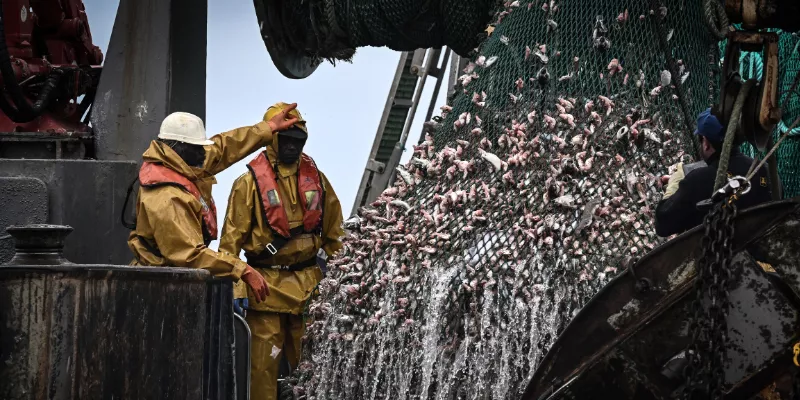
The issue of control over exclusive economic zones is still dogging the situation. The majority of industrial fishing vessels do their operations with minimal or no supervision and exploit the fish stocks with little or no benefit to the local communities. These fleets, mostly foreign, but may be concealed in some forms of legal registration that make it hard to determine the real owner, are taking out huge catches. Meanwhile, artisanal fishers say that the large pelagic fish they used to catch are going because of such activities.
In response, African countries are loudly advocating for improved governance at both national and international levels. One such example is the High Seas Treaty on biodiversity beyond national jurisdiction, which has garnered substantial support from African nations. With numerous ratifications moving towards entry into force, it will be possible to implement new protections in international waters that are critical for the regeneration of coastal stocks.
Experts are of the opinion that improvement in management should not imply giving up on tradition. By means of technology, data collection, and market access tools, the small-scale fishers will be able to continue their activities profitably and at the same time preserve fish stocks. Groups are taking advantage of digital platforms to log catches, sustainability monitoring, and getting access to better markets.
What is at stake is whether the decisions made today will cause the fishing industry in Africa to be yet another forgotten resource or a Source that not only creates jobs leads to food security and is resilient to shocks but also is a sustainable force for economic growth.