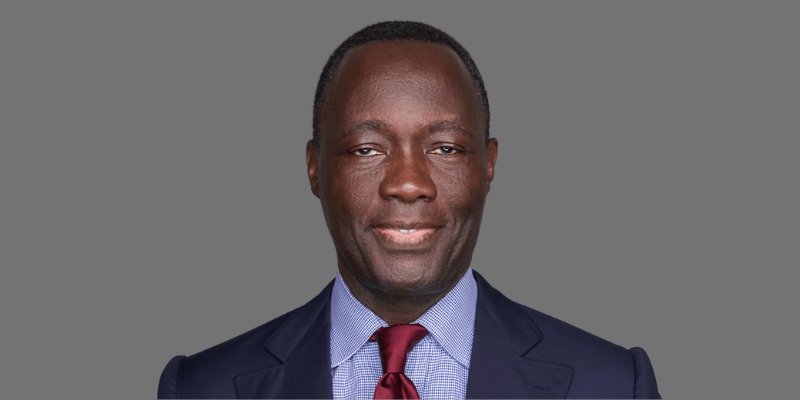
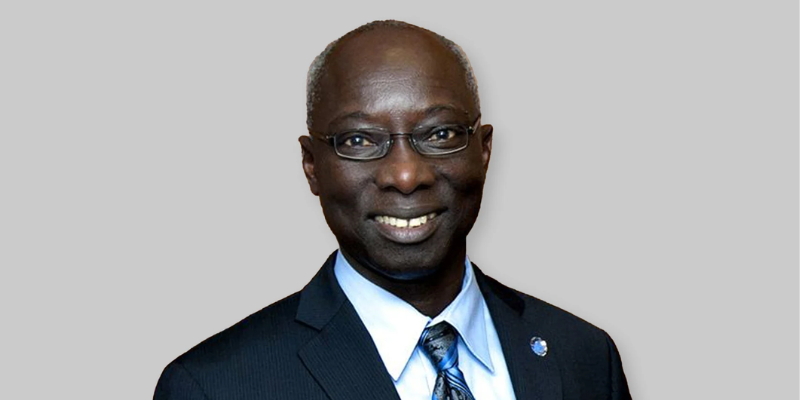
In global governance, stopping atrocities before they unfold is among the most complex challenges. For more than eight years, Adama Dieng led that work for the United Nations. As the UN Special Adviser on the Prevention of Genocide, he was the principal voice inside the world’s largest intergovernmental institution advocating for anticipatory action, early warning systems, and political engagement that could blunt the worst forms of human violence.
A Senegalese jurist by training, Dieng’s career combines deep legal expertise with diplomatic experience. Before his UN appointment in 2012, he served as Registrar of the International Criminal Tribunal for Rwanda (ICTR), where he helped manage the institution charged with prosecuting those responsible for the 1994 genocide.
His work is a reminder that in international systems, effective prevention requires both technical rigour and political resolve.
Building Global Frameworks for Prevention
The position Dieng held at the United Nations is not ceremonial. The Office of the Special Adviser on the Prevention of Genocide was created after the world failed to stop mass killings in Rwanda and the Balkans in the 1990s. Its mandate is to collect and analyse information on situations that may lead to genocide, issue assessments, and advise the UN Secretary-General and Security Council on preventive strategies.
When Secretary-General Ban Ki-moon appointed Dieng in 2012, it signalled a renewed push for institutional capacity in this field. Dieng brought to the role decades of legal experience, having previously been Secretary-General of the International Commission of Jurists and a legal adviser across multiple international organisations.
Preventing genocide is not a task that happens in a vacuum. It is rooted in global treaties, such as the Responsibility to Protect, which holds that states, and by extension the international community, must act to protect populations from genocide, war crimes, ethnic cleansing, and crimes against humanity. Dieng’s job was to translate that principle into actionable advice, risk assessments, and engagement with national governments.
Practical Strategies, Lasting Impact
Under Dieng’s leadership from 2012 to 2020, the Genocide Prevention Office worked on developing tools and methodologies that transformed genocide prevention from a concept into practice. These included early warning metrics, verification systems, and recommendations that aimed to help the UN and its partners identify and respond to risks on the ground.
Dieng was also an advocate for “bottom-up” prevention, which emphasises the role of local actors, civil society, and national institutions in recognising warning signs and mobilising before situations escalate. He pushed for universal ratification of the Genocide Convention and for a stronger analytical capacity inside the UN to support decision-making at the highest levels.
This approach reflects an understanding that crises rarely emerge out of nowhere. They unfold through a series of identifiable social, political, and economic pressures. The role of an adviser, Dieng believed, is to ensure that these patterns are recognised early, and that international action is timely, informed, and sustained.
Transitioning to African and Global Roles
In mid-2020, Dieng stepped down from his UN advisory role to focus on reinforcing the rule of law and transparency across Africa, as well as strengthening dialogue between civil society and major institutions on the continent.
His work did not end at the UN gates. In 2024, he was appointed the African Union’s Special Envoy for the Prevention of Genocide and Other Mass Atrocities, emphasising his continued influence in shaping continental efforts to prevent violence.
Dieng stresses that prevention must be embedded in governance frameworks, legal systems, and institutional cultures. Without such foundations, even the best-intentioned early warning systems can falter.
Legacy of Leadership and Legal Stewardship
Adama Dieng’s career spans national legal practice in Senegal, senior roles at international justice institutions, and leadership on issues that demand moral clarity and diplomatic courage. His tenure as a UN Special Adviser highlights the growing recognition that preventing atrocity is as much a technical and analytical challenge as it is a political and human one.
For business leaders operating in an interconnected world, Dieng’s work holds relevant lessons. Risk management in volatile environments, whether social, political, or economic, benefits from early warning systems, rigorous analysis, and multi-stakeholder engagement. Protecting people from harm creates stability that ultimately supports trade, investment, and sustainable development.
In a global landscape still scarred by the legacy of conflicts past, Dieng’s commitment to prevention underscores an essential truth: leadership in the present shapes the security and prosperity of tomorrow.