
Owino Uhuru is not the kind of place most executives or policymakers visit unless there is a crisis. It is a low-income settlement in coastal Kenya, built on the margins of a growing industrial economy. But what happened there became bigger than a local tragedy. It became a case study in what happens when industrial operations grow faster than safety standards, governance, and basic human rights protections.
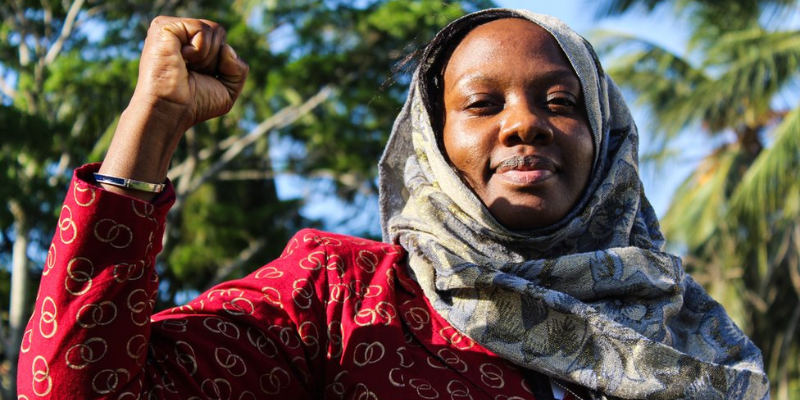
At the center of this story is Phyllis Omido, a Kenyan environmental justice advocate whose work has become one of Africa’s most recognized examples of community-led accountability. Her campaign exposed severe lead poisoning linked to a battery recycling and smelting facility operating near homes and schools in Mombasa.
Her journey is a reminder that the cost of negligence does not disappear. It compounds, escalates, and eventually shows up as legal liability, reputational loss, and public outrage.
When a Workplace Becomes a Warning Sign
Omido’s journey did not begin with a grant, a global NGO, or a media platform. It began with a job. In the early 2000s, she worked at a battery recycling plant located in Owino Uhuru. Over time, her life took a terrifying turn when she and her young son fell ill.
Medical tests confirmed lead poisoning, and the symptoms were not limited to her family. Around her, residents were facing miscarriages, neurological damage, and premature deaths. The patterns were hard to ignore, even when the institutions around her tried to do exactly that.
When Omido raised concerns, she was met with dismissal. The facility’s owners and government-linked decision-makers did not treat the issue as urgent. They treated it as inconvenient.
But instead of staying silent, she resigned and began organizing.
From Employee to Advocate: Building a Movement from the Ground Up
One of the most powerful aspects of Omido’s story is that she did not wait for permission to lead. She chose a different path: community action backed by evidence, visibility, and legal pressure.
She founded the Center for Justice, Governance and Environmental Action (CJGEA), a grassroots environmental justice organization focused on communities harmed by toxic pollution and weak enforcement.
CJGEA became more than an advocacy platform. It became a structure. A place where residents could organize their claims, document their health impacts, and move as one voice instead of scattered individuals.
That is what most power systems fear: not anger, but organization.
Taking on the System: A Legal Strategy with Long-Term Impact
Omido’s approach was bold because she understood a harsh truth early: awareness alone does not deliver justice. Pressure needs a pathway.
She pursued litigation against both the government and the industrial company involved, arguing that citizens’ constitutional rights had been violated. Specifically, the case challenged the failure to protect residents’ right to a clean and healthy environment, a principle increasingly central to environmental accountability worldwide.
This framing matters from a business perspective because it shifts environmental harm from being seen as an unfortunate byproduct to being seen as a rights violation.
That is a different category of risk.
And it is a category that courts are increasingly willing to act on.
The Turning Point: A Ruling That Rewrote the Stakes
In 2020, the High Court ruled in favor of the affected community and ordered compensation of KES 1.3 billion (approximately USD 10 million). The judgment was appealed but later upheld by Kenya’s highest court, strengthening the legal weight of the decision.
This was not only a win for Owino Uhuru. It was a message to industries operating near marginalized communities: compliance is not optional just because the victims are poor.
It also set legal precedent affirming that the state has a duty to safeguard citizens from industrial pollution, not merely react once the damage is done.
What Leaders Can Learn from Omido’s Model
Many companies still treat environmental responsibility as a section in an annual report. Omido’s story proves it is more than that. It is a test of operational ethics and long-term sustainability.
Her work highlights three lessons business leaders cannot afford to ignore:
- Communities are stakeholders, not obstacles.
When operations disrupt public health, communities do not stay silent forever. They organize, escalate, and partner globally. - Environmental risk is legal risk.
A courtroom win like this changes how future claims are argued, not only in Kenya but across regions watching closely. - Reputational damage travels faster than regulation.
Once a case becomes international, brands lose control of the narrative. And no marketing budget can outpace public outrage when children are harmed.
A New Standard for Accountability
Phyllis Omido is often called a landmark environmental justice figure in Africa for good reason. She showed what leadership looks like when it is not backed by money or power, but by conviction and clarity.
Her work continues to reinforce a simple truth that business cannot ignore anymore: communities have a right to safety, health, and dignity, and when those rights are violated, the consequences will not remain hidden.
As Omido’s advocacy has made clear, the right to a clean and healthy environment is not symbolic. It is enforceable.