
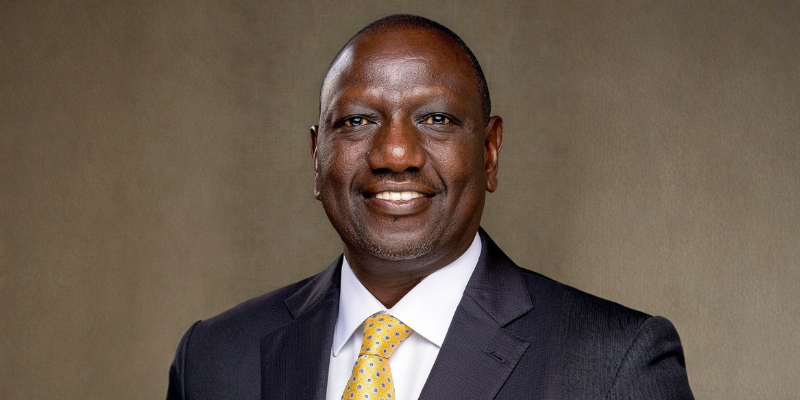
William Kipchirchir Samoei Arap Ruto is Kenya’s fifth and current president, having taken office on September 13, 2022 after a long career in public service and politics. Before becoming president, he served as the first elected deputy president of Kenya from 2013 to 2022 under President Uhuru Kenyatta. He also held several cabinet roles including Minister for Home Affairs, Agriculture, and Higher Education.
Ruto’s story is often described as one of grit and entrepreneurship. Born on December 21, 1966 in Sambut village, Uasin Gishu County, he grew up in modest circumstances. In his youth, he sold peanuts and chickens at a busy roadside junction, building early business instincts while confronting economic hardship firsthand.
This early “hustler” identity became part of Ruto’s political brand. His rise from roadside entrepreneur to the highest office in the land reflects both personal tenacity and a broader narrative about economic opportunity and inclusion for ordinary Kenyans.
Economic Vision for Kenya
President Ruto brought his commitment to the change of the economy of Kenya to the elections and to the government. The new administration has put the whole economic policy of the country on active growth and infrastructure development, and taking care of the enterprises, moving out of the old habit of just stabilizing the public finances.
He has revealed in his statements that the year 2026 will be a turning point for Kenya with a smooth transition from the entire economic stabilization policy to full implementation of development plans with an emphasis on job creation and poverty reduction.
The huge public investment projects are the main ones in his economic policy. Ruto has been pushing the idea of a National Infrastructure Fund and a Sovereign Wealth Fund to be set up to fund the sectors like agriculture, energy, and transport that are really connected to the economy’s health and taking the edge off domestic debt.
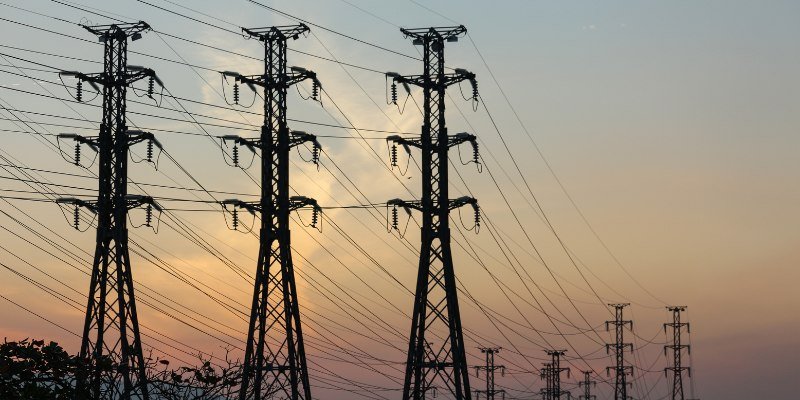
The funds are meant to quicken the process of industrialization, raise the much-needed export capacity, and enlarge the electricity generation for the manufacturing sector’s growth.
Innovating Through Inclusion
Kenya under President Ruto has given financial inclusion the utmost priority and has introduced it as the key principle during its economic transformation. One of the first actions taken by the government was the launch of the Hustler Fund, a public loan program intended to grant instant credit to the citizens of Kenya, especially small entrepreneurs and micro businesses who are cut off from the traditional financing system.
This initiative is a clear indication of Ruto’s intention to set up a “new economic order” where everyone would have the same chance to access capital, not just the rich or the influential.
Lending is just one aspect of financial inclusion that the government is focusing on; it is being treated as an open ,inclusive and participative process of dealing with the citizenry and businesses. The administration of Ruto has not only recommended but also pushed for the regulation of digital credit, thus opening the door for more enterprise credit availability, and has also aimed at grabbing the attention of the private sector and make it a partner in the public development priorities.
Challenges and Business Confidence
Ruto’s business-oriented agenda has not been without pushback. Economic reforms and proposed fiscal measures at times sparked protests and public dissatisfaction, particularly around taxation and cost of living pressures.
In 2024 and 2025, large protests erupted in Kenya’s major cities after controversial finance legislation was introduced, prompting the president to withdraw the bill and implement austerity measures tied to public debt reduction.
On the investment front, Ruto has actively courted global capital. His outreach includes engaging international tech companies and positioning Kenya as a hub for business process outsourcing, creative industries, and technology startups.
Despite debates about taxation and regulatory shifts, the administration has offered incentives such as simplified tax codes and exemptions for export-oriented services to attract long-term investment.
Balancing Public Needs and Private Growth
President Ruto’s leadership underscores the growing role of government in shaping economic ecosystems. His approach blends public investment, private participation, and targeted economic inclusion strategies. The dual emphasis on infrastructure and small enterprise support reflects a belief that both large projects and grassroots businesses are essential engines of growth.
He campaigns and governs with a clear message: Kenya’s economic future must be built on opportunity for all, from shopkeepers and farmers to investors and innovators. As the country navigates fiscal challenges and a global economic headwind, Ruto’s presidency is defined by attempts to balance national development goals with the needs of the ordinary citizen.
For business readers, the Ruto era signals both opportunity and complexity — a landscape where economic inclusion, strategic investment funds, and proactive private-sector engagement define Kenya’s next chapter.