
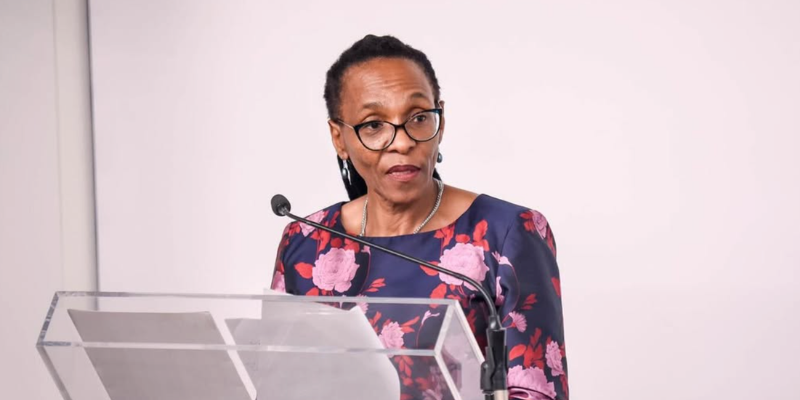
Mandisa Muriel Lindelwa Maya’s journey from rural Eastern Cape to the highest judicial office in South Africa is remarkable for its quiet strength and persistent progress. Born on March 20, 1964 in St Cuthbert’s, Tsolo, she began her legal journey with a Bachelor of Proc from the University of Transkei, followed by an LLB from the University of Natal and an LLM from Duke University in the United States.
She entered the legal profession first as a court interpreter and prosecutor, later working as a law lecturer and advocate. Her early career exposed her to the realities of South Africa’s justice system during a critical period of transformation following the end of apartheid. This exposure laid the foundation for her later leadership and deep commitment to justice that serves all citizens, not just a few.
Breaking Barriers at Every Turn
Justice Maya’s ascent through the judiciary is defined by firsts. In 2006, she became the first black woman appointed to the Supreme Court of Appeal, one of the nation’s most senior courts. She then became Deputy President of that court in 2015 and its President in 2017, again the first woman to hold either position.
Her tenure at the Supreme Court of Appeal was not merely symbolic. Maya authored over 200 reported judgments, demonstrating legal acumen and a commitment to fairness. Her ability to write judgments in isiXhosa brought language and culture into South Africa’s jurisprudence in a new and meaningful way.
Her leadership at the appellate court also extended beyond legal reasoning to institutional culture. She navigated tensions and pushed for collegiality among judges, fostering respect and cooperation across lines of difference.
Historic Appointment as Chief Justice
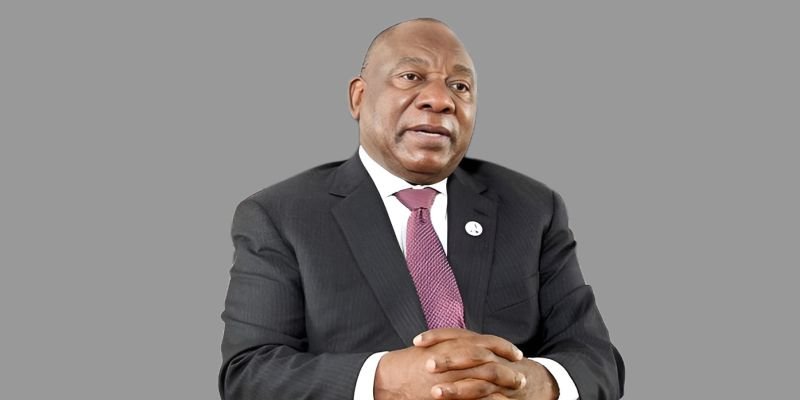
In July 2024, President Cyril Ramaphosa appointed Mandisa Maya as the 23rd Chief Justice of South Africa, effective September 1, 2024. This appointment marked a historic mileston, she became the first woman to hold the position.
As Chief Justice, she leads the Constitutional Court, the apex of the country’s judiciary, responsible for upholding the Constitution and guiding the interpretation of the law in cases that shape the nation’s direction. Her voice now carries influence over not just legal reasoning, but the structures that govern judicial independence, access to justice, and the rule of law itself.
Her appointment carries symbolic weight and practical significance. It reflects South Africa’s commitment to gender equality in leadership and underscores the importance of representation in positions of national authority.
Leadership and Institutional Reform
Chief Justice Maya entered office with a clear sense of purpose. One of her early initiatives was to advance the judiciary’s institutional independence, a move ultimately recognised by government commitments to strengthen the separation of powers.
She also prioritised internal reforms, including introducing a revised anti-sexual harassment policy aimed at creating a safe and respectful workplace within the judiciary.These actions demonstrate her belief that leadership involves not just presiding over cases, but cultivating a culture of dignity, professionalism, and ethical conduct within the legal system.
Vision for a Stronger Judiciary
In a legal environment facing resource constraints, heavy caseloads, and infrastructural challenges, Chief Justice Maya’s leadership has focused on strengthening governance and operational effectiveness. Her tenure has already seen increased engagement among court leadership and proactive dialogue with other branches of government.
She also chairs the Judicial Service Commission, playing a central role in guiding judicial appointments and ensuring that the bench reflects both merit and the values of a democratic society.
Legacy and Influence
Mandisa Maya’s story is more than a personal achievement. It is a testament to how sustained excellence, institutional insight, and quiet confidence can transform both an individual career and a nation’s legal landscape.
She represents a bridge between South Africa’s past struggles and its aspirations for a judiciary that is independent, inclusive, and resilient. Her leadership signals not only continuity with the constitutional principles that define the republic, but also evolution in how those principles are embodied in practice.
As Chief Justice, Mandisa Maya is not simply presiding over the law, she is shaping the character of South Africa’s legal system for generations to come.