
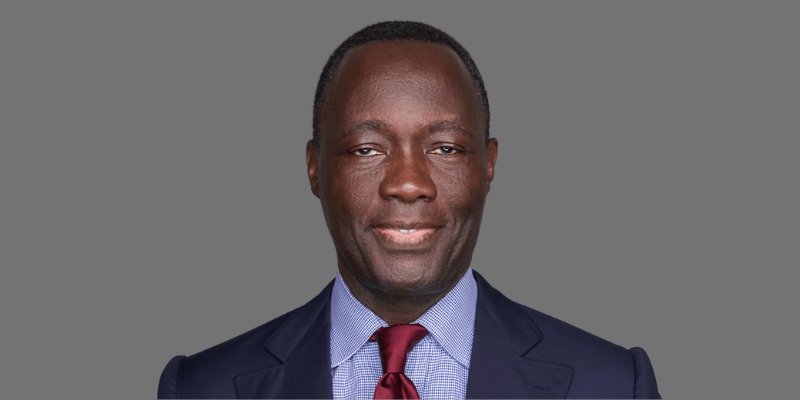
In African finance, influence does not always come with noise. Sometimes it moves through boardrooms, capital structures, and long-term bets made when others hesitate. Alain Nkontchou belongs firmly in that category. An investor by instinct and a strategist by training, his role in shaping pan-African banking is built on patience, precision, and deep conviction.
Today, through Seafib Group and his broader investment activity, Nkontchou stands at the intersection of ownership, governance, and long-range financial vision.
A Foundation Built on Discipline
Nkontchou’s journey begins far from trading floors. Born in Yaoundé, Cameroon, he pursued advanced studies in electrical engineering and finance in Paris. That dual background shaped the way he thinks. Engineering taught him structure and systems. Finance taught him timing and risk.
When he entered global banking, he did so with an uncommon edge. His early years spanned cash management and high-pressure trading environments at leading international banks in London. Over time, he handled complex portfolios across fixed income, currencies, commodities, and equities. These were not theoretical roles. They were positions where decisions carried weight, and mistakes were expensive.
This period gave him more than credentials. It gave him a global lens on capital behavior and market psychology, knowledge that would later become central to his work in Africa.
Turning Global Experience Toward Africa
After years in international finance, Nkontchou made a deliberate pivot. In 2007, he co-founded Enko Capital Management, designed to channel serious investment into African markets. The intent was clear from the start. Africa did not need speculative attention. It needed disciplined capital, patient ownership, and governance-driven investment.
Operating from London and Johannesburg, Enko positioned itself as a bridge between global investors and African opportunity. The firm focused on strategies that matched risk with reality, supporting enterprises capable of scale rather than short-term gains. Over time, Enko became known for its measured approach and credibility in markets often misunderstood from the outside.
For Nkontchou, this was not about proving Africa’s potential. It was about structuring capital in a way that allowed that potential to surface sustainably.
Inside a Pan-African Banking Giant
His influence deepened when he joined the board of Ecobank Transnational Incorporated. Ecobank is one of Africa’s most expansive banking groups, operating across more than 30 countries and serving a vast, diverse customer base. Governance at that scale demands clarity, restraint, and long-term thinking.
In 2020, Nkontchou became chairman of the board. His tenure came during a demanding phase for African banking. Regulatory pressure was rising. Digital transformation was no longer optional. Customers expected more transparency and speed. Under his leadership, the focus stayed practical. Strengthen fundamentals. Improve resilience. Align growth with realistic market conditions.
He approached the role less as a figurehead and more as a systems builder. The emphasis was on sustainable returns, institutional discipline, and steady transformation rather than dramatic reinvention.
When he stepped down as chairman in 2024, Ecobank carried a stronger strategic footing and clearer direction.
A Shareholding That Signals Intent
In 2025, Nkontchou took a step that reframed his relationship with Ecobank. Through Bosquet Investments, he agreed to acquire a 21.22 percent stake in the bank from Nedbank Group in a deal valued at around $100 million.
This was not a symbolic investment. It was a statement of confidence.
By becoming one of the largest individual shareholders, he shifted from steward to anchor owner. The move reinforced belief in Ecobank’s pan-African model and its long-term relevance. It also reflected a broader shift in African finance where local investors with global experience are taking deeper ownership positions in institutions that shape regional economies.
For Ecobank, the transaction strengthened alignment between ownership and long-term strategy. For the market, it sent a clear signal that African financial leadership is increasingly being driven from within.
Why This Matters Beyond One Bank
Nkontchou’s story speaks to a wider transformation underway in African finance. Ownership is evolving. Influence is becoming more localized. Decision-making is moving closer to the markets it affects.
His career shows that credibility in finance is built over decades, not deal cycles. It comes from understanding risk before chasing reward. From respecting institutional strength over individual visibility. From knowing when to lead from the front and when to work quietly behind the scenes.
Through Seafib Group and his broader investment activity, Nkontchou continues to operate with that philosophy. He invests where governance matters. He supports structures that endure. He backs strategies designed to compound over time, not impress overnight.
The Long View
As African economies continue to integrate and mature, the role of investors like Alain Nkontchou becomes more consequential. His path from global banking to African ownership reflects a belief that the continent’s financial future should be shaped by those who understand both its complexity and its promise.
This is not a story of rapid disruption. It is a story of steady influence. Of capital placed with intention. Of leadership exercised with restraint.
In a region where patience is often undervalued, Nkontchou’s approach stands as a reminder that lasting financial power is built quietly, one decision at a time.