
How Collins Obinna Chibueze Redefined Genre and Built a Music Business Ecosystem!
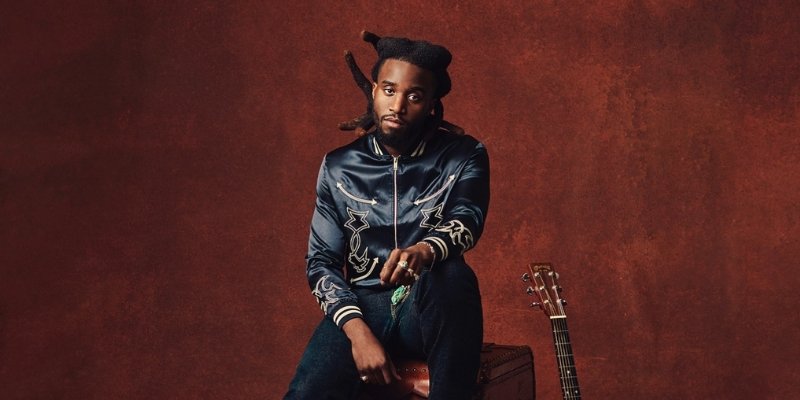
Collins Obinna Chibueze, known professionally as Shaboozey, was born May 9, 1995, in Fairfax, Virginia. He grew up in Woodbridge, Virginia, shaped by two cultures. His parents immigrated from Nigeria and brought with them a strong work ethic and wide-ranging musical tastes. Country greats like Kenny Rogers mixed with the hip-hop he heard on 106 & Park. Spending part of his junior high years at a boarding school in Nigeria also broadened his worldview early on.
The stage name Shaboozey came out of necessity. In high school, his football coach mispronounced his surname, Chibueze, which means “God is king” in Igbo. What started as a nickname stuck. That mispronunciation morphed into an identity that now sits atop mainstream music charts.
Shaboozey’s first brush with creative ambition came not through music but through filmmaking. While in his teens, he founded a small production company, V Picture Films, making videos for local artists with a camera his mother bought him. That early entrepreneurial spark foreshadowed how seriously he would take building his music career.
Finding a Musical Path Through Authenticity
He began releasing music in 2014 with singles like “Jeff Gordon,” which blended trap beats with unexpected references. His early sound leaned heavily on hip-hop and trap influences. That style drew attention and led to a recording deal with Republic Records in 2017. His official debut album, Lady Wrangler, dropped in 2018.
Shaboozey’s breakthrough moment came when he embraced a fusion of sounds rather than sticking to one genre. His third studio album, Where I’ve Been, Isn’t Where I’m Going, dropped in May 2024. The record marries his hip-hop roots with elements of country, Americana, and folk-pop. That musical blend showed not just versatility but distinct artistic perspective.
Then came “A Bar Song (Tipsy).” This track defied expectations. It interpolated J-Kwon’s early 2000s club hit and transformed it into a country-leaning anthem with broad mainstream appeal. The response was staggering. The song topped the Billboard Hot 100 and stayed at number one for a record-tying 19 weeks. In the process it also dominated country charts, tying the record for longest-running top spot.
Building a Personal Brand and a Business Framework
Shaboozey’s career arc shows more than musical success. It is a case study in strategic brand building. His story is rooted in authenticity, but he did not wait for the industry to define his market. Instead he carved out a niche that was both hybrid and accessible. Crossing from hip-hop into country was risky for a Black artist in a genre with rigid traditional boundaries. He embraced that discomfort and turned it into a strength.
Beyond personal branding, Shaboozey has shown business instincts in his collaborations and partnerships. He appeared on two tracks on Beyoncé’s 2024 album Cowboy Carter, expanding his visibility and affirming his cross-market appeal.
He also signed strategic management and label arrangements that support his dual creative and commercial goals. This approach gives him influence over both artistic output and business revenue streams. The deluxe edition of his 2024 album and planned touring ventures are structured to reinforce longevity rather than one-hit visibility.
Industry Recognition and Cultural Impact
Shaboozey’s ascent has translated into major industry recognition. He received multiple Grammy nominations for his work, including best new artist and song of the year nods. Billboard, CMA, ACM, and other award bodies have acknowledged his impact. These accolades are more than trophies on a shelf. They reinforce his position within the music business ecosystem and validate his contribution to shaping contemporary genre boundaries.
His record-breaking performance with “A Bar Song (Tipsy)” changed expectations for music that crosses conventional genre lines. It demonstrated how listeners respond to sincerity and boundary-less creativity. In this respect, his success has signaled to executives, promoters, and artists alike that hybrid sounds can hold mainstream commercial power.
Shaboozey’s narrative also challenges the industry’s long-held assumptions about audience segmentation and genre purity. He shows that a single track can dominate without fitting neatly into one category. That lesson is valuable for artists, label strategists, and anyone interested in how modern music markets operate.
What Comes Next
At age 30, Shaboozey is looking ahead. A first headlining tour, expanded media projects, and collaborations point to diversification rather than a narrow focus on chart performance. He talks about releasing more music that continues to blend influences and reach new audiences. His creative rhythm is intentional and methodical, not rushed or reactive.
Shaboozey’s trajectory is a reminder that success in today’s music industry requires both creative vision and savvy navigation of commercial realities. By embracing his unique identity, building smart partnerships, and keeping an eye on wider cultural trends, he has engineered a blueprint for sustainable artistic and business success. His journey from Virginia to the top of global charts is not just a personal triumph. It illustrates how modern artists can thrive when they refuse to fit into predefined categories and instead build something bold and multifaceted.